Flamengo Ranks 15th Among Worlds Most Followed Teams Now

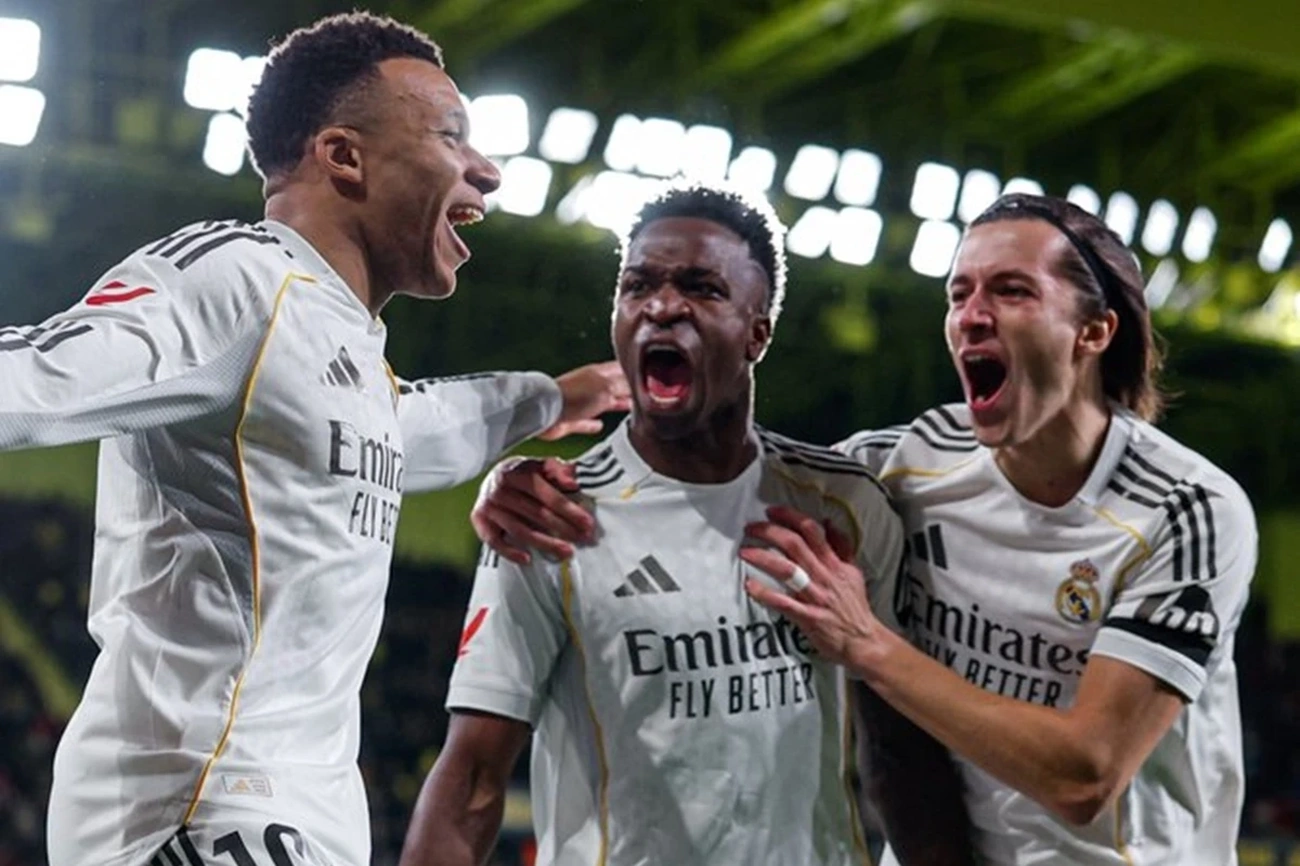
Real Madrid is considered the most followed team in the world on major social media platforms, with a total of 488 million followers, according to a survey by the CIES Football Observatory. Next, appears the rival Barcelona, with 442 million fans, and to close the top 3 is Manchester United, with 239 million followers. In Brazil, 11 Brazilian clubs appear among the 100 most followed in the world, with Flamengo being the best placed, occupying the 15th position, with 72 million followers. Next are Corinthians, with 43 million, and Santos, with 27 million. These numbers demonstrate the great popularity of football teams around the world and the importance of social media to connect fans with their favorite teams.
Influence of Performance on Social Media Followers
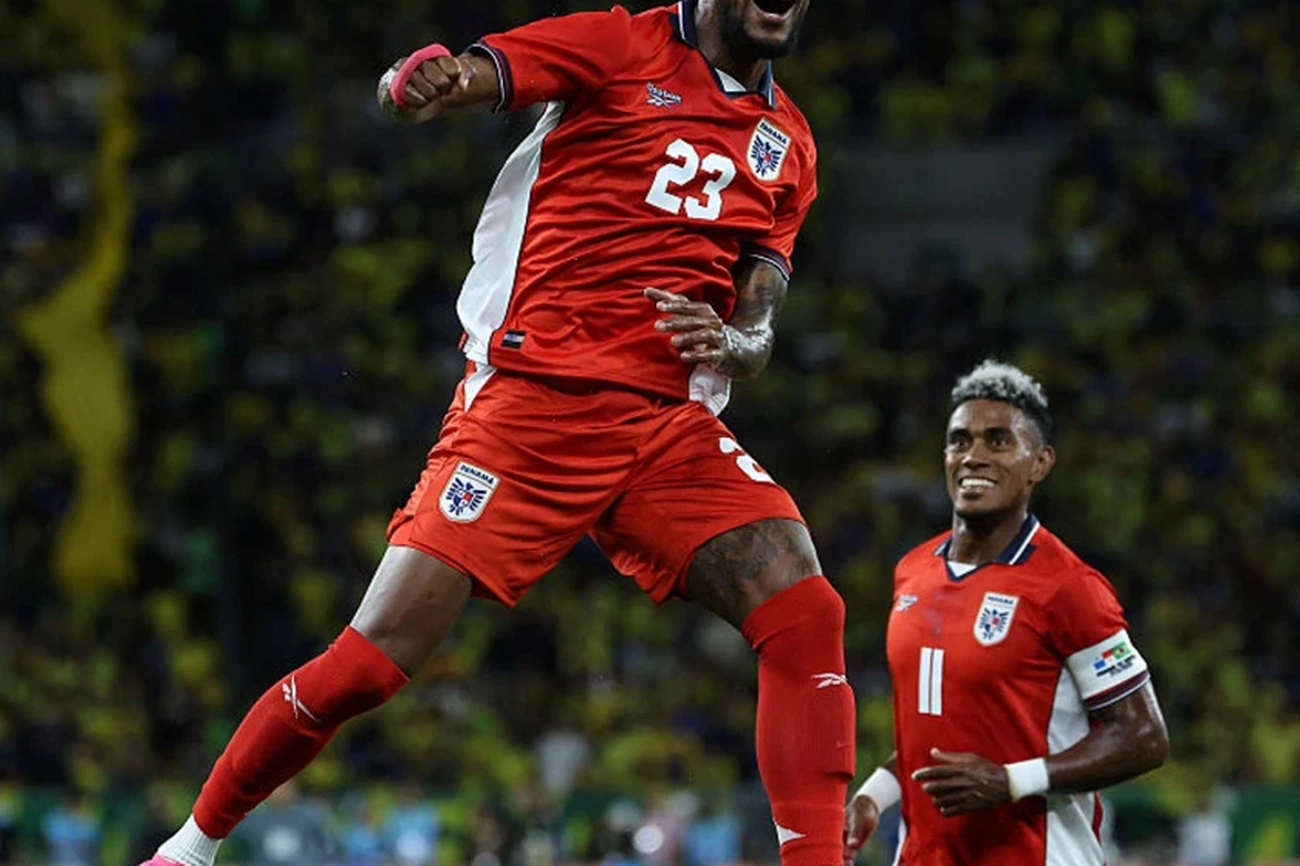
The performance of teams in competitions can also influence the number of followers on social media. Teams that are doing well in competitions tend to attract more fans and, consequently, increase their presence on social media platforms. Additionally, the presence of high-level players, such as Vini Jr., who recently scored the winning goal for Real Madrid, can also contribute to the increase in the number of followers. The championship context is also important, as teams that are competing in important championships, such as the Champions League, tend to have more visibility and, therefore, more followers. In the case of Flamengo, its position as the 15th most followed team in the world may be a reflection of its good campaign in recent years, including the conquest of the South American Champions League.
Implications for Marketing and Sponsorship
The number of followers on social media can also have implications for teams in terms of marketing and sponsorship. Teams with more followers can attract more sponsors and negotiate more lucrative contracts, which can be an important factor for the team’s financial success. Additionally, social media presence can also be an important factor for the construction of the team’s image and for the creation of a community of fans. In the case of Flamengo, its large fan base can be an important asset for attracting sponsors and promoting the team throughout the country.
The Future of Brazilian Football
The current scenario of Brazilian football is one of great competitiveness, with several teams competing in important championships and fighting for a position in national and international competitions. With the presence of Brazilian teams among the most followed in the world, it is likely that Brazilian football will continue to be an important force in the global sports scene. The ability of teams to attract and retain fans on social media will be fundamental to the future success of Brazilian football, and it is likely that teams will continue to invest in marketing and communication strategies to maintain and increase their fan base.
Analise este conteúdo com IA