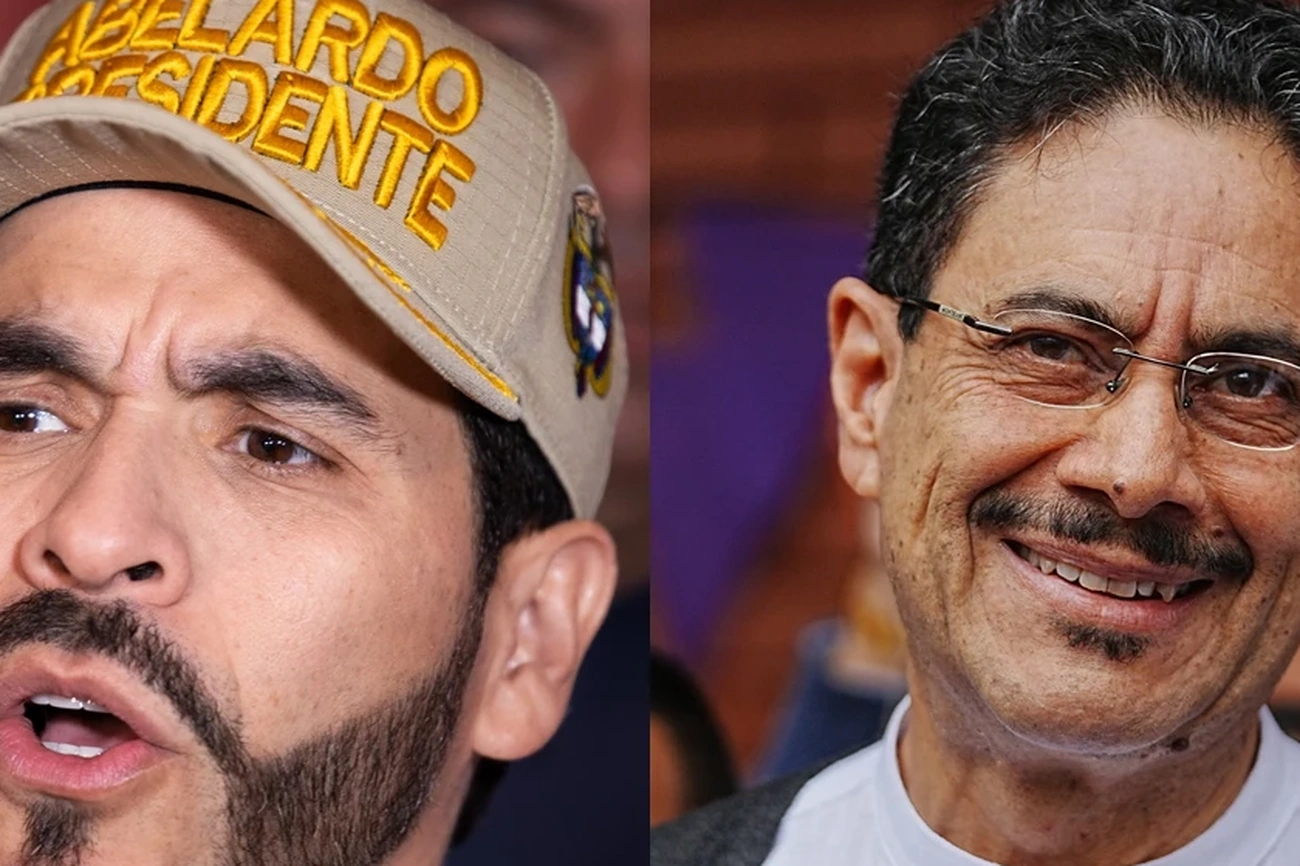
Rodrigo Londino now leads Colombia election

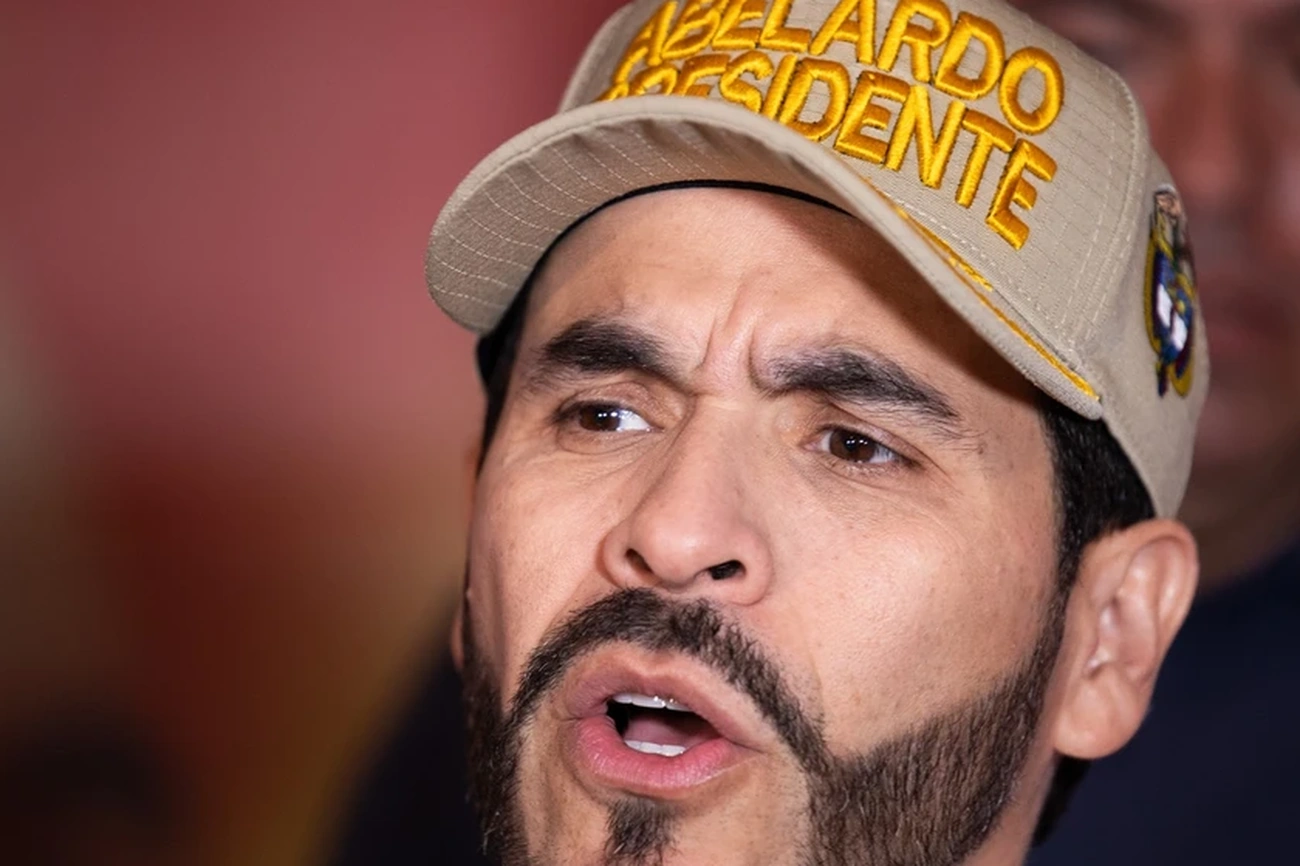
The lawyer Abelardo de la Espriella, known as “The Tiger”, led the presidential elections in Colombia, winning 43% of the votes in the first round, against senator Iván Cepeda, who received 40%. De la Espriella promised to interrupt the continuity of the current president Gustavo Petro’s political project, with a platform that focuses on state reduction, administrative simplification, and expansion of oil and gas sectors. He is accused of sexism and has a long history of judicial battles against the press, as well as accumulation of controversies.
To understand better the implications of this election, it is essential to analyze the institutional context. The current president of Colombia, Gustavo Petro, represents the centrist-left project, aiming to implement a “total peace” policy and expand social rights. The far-right candidate, Abelardo De la Espriella, seeks to reverse it. De la Espriella’s platform is inspired by the policies of Salvadoran President Nayib Bukele and Argentine President Javier Milei, which focus on reducing the state and simplifying bureaucracy. Additionally, he promises to increase penalties and intensify military operations against criminal organizations. Electorates in Colombia are concerned with economic and security issues, with many people believing that the country needs to change its economic policy and public security to recover.
The impact of this election is significant for Colombia, as it will mark a political change in the country. De la Espriella’s platform will be tested in the coming months, and it is essential to follow the development of the situation. Furthermore, it is possible that Colombia will become a reference point for countries in the region, demonstrating how the far-right vote affects politics and economy. Colombia will be an important experiment, and, if successful in terms of economy and security, it could inspire other countries to adopt its policies.
However, it is essential to remember that Colombia has more than half of its electorate formed by women, and candidate De la Espriella has already been accused of sexism. This could be a challenge for his politics, especially if he continues to promote a public image that is not acceptable to a large part of the population.
Analise este conteúdo com IA