Lula Speech Sparks Fury Jason Miller Mocks Brazil Leader on CV PCC Stance Now

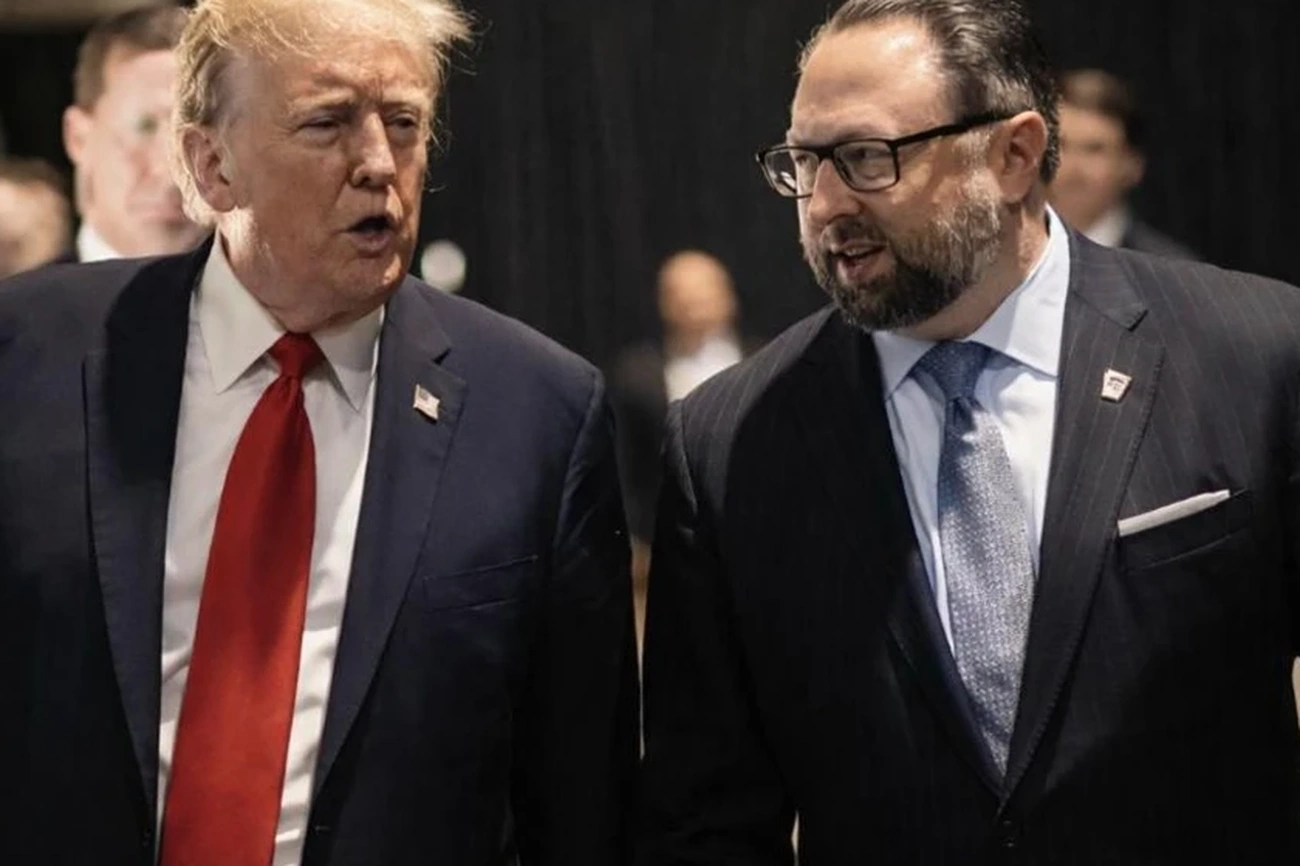
President Luiz Inácio Lula da Silva was the target of irony from former Donald Trump advisor Jason Miller on social media
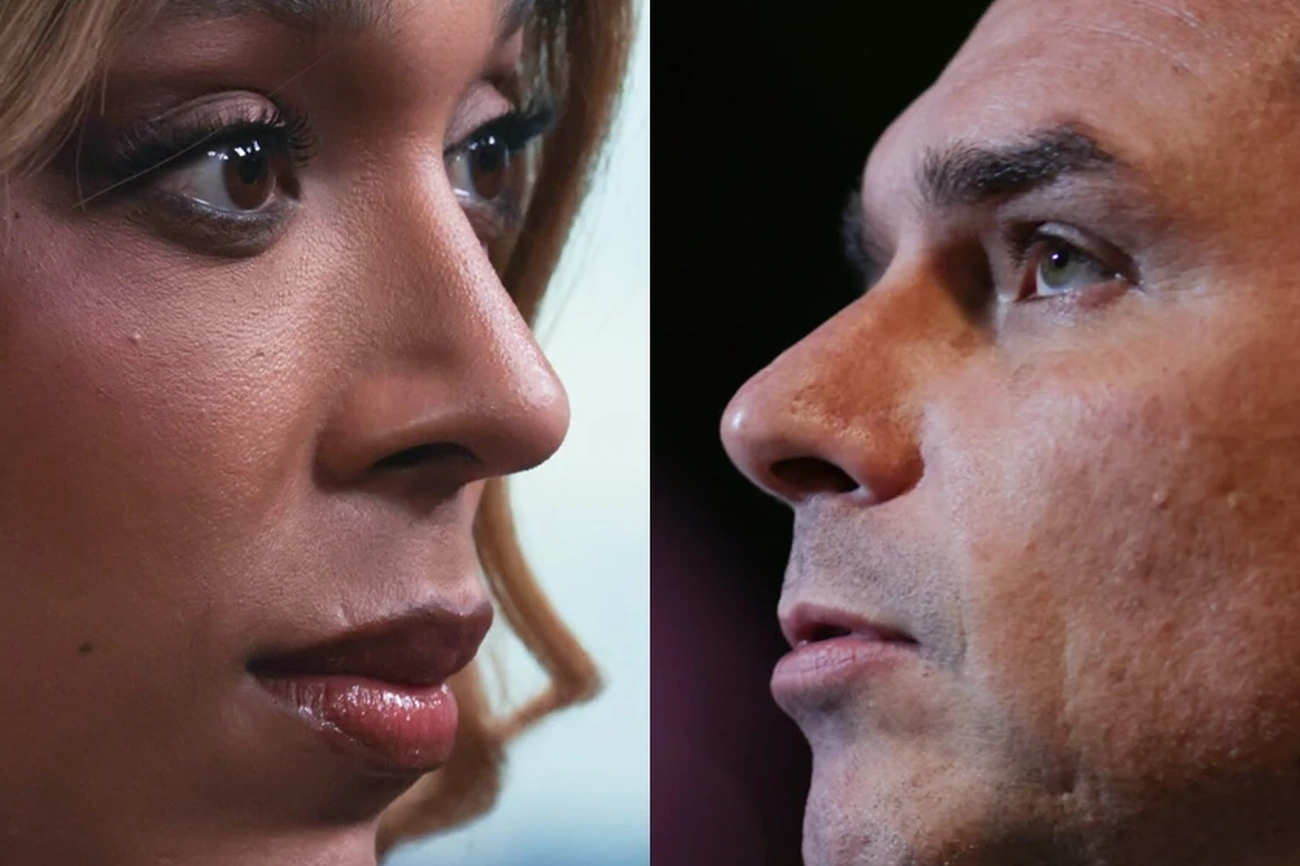
after a speech by the Brazilian leader criticizing Senator Flávio Bolsonaro’s actions with American authorities to classify the Primeiro Comando da Capital and Comando Vermelho factions as terrorist organizations. Lula stated that Flávio Bolsonaro has no shame in betraying our homeland by asking for American intervention in Brazil. The measure to classify the factions as terrorist organizations was announced by the United States government two days after Flávio Bolsonaro met with President Donald Trump at the White House. The Brazilian federal government published a note rejecting the measure, and Lula strongly criticized Flávio Bolsonaro, stating that he should not have asked for American intervention. Jason Miller, in turn, shared a post ironizing Lula, using the expression “Chora mais” and the sound of a trombone, “womp womp”, to show mockery.
In the institutional context, the classification of the Primeiro Comando da Capital and Comando Vermelho factions as foreign terrorist organizations has significant implications. The factions were included in two lists: Terrorists Globally Especially Designated and Foreign Terrorist Organizations. This measure may have practical consequences for the relations between Brazil and the United States, as well as impact Brazil’s national security. The reaction of the federal government and President Lula is also noteworthy, as it demonstrates the country’s position on foreign intervention in domestic affairs. Jason Miller’s irony can be seen as a form of provocation, but it also reflects the existing political tension between the two countries.
The actions of Flávio Bolsonaro and Lula’s reaction are also relevant, as they demonstrate the existing political and ideological divergences in Brazil. The classification of the factions as terrorist organizations can be seen as a measure to combat violence and crime, but it can also be interpreted as a form of foreign intervention in domestic affairs. The position of the federal government and President Lula regarding this measure is fundamental to understanding the political and institutional implications of this decision. International cooperation is essential to combat crime, but it is also important to respect the sovereignty of countries and the
Jason Miller’s irony and President Lula’s reaction demonstrate the complexity of international relations and the importance of understanding the political and institutional implications of the measures taken by countries. The classification of the factions as terrorist organizations is an example of how political decisions can have practical consequences and impact national security and international relations. It is essential to understand the political dynamics and international relations to comprehend the implications of this measure and how it can affect Brazil and the United States.
The situation has sparked controversy and debate, with some arguing that the classification is necessary to combat crime, while others see it as an overreach of American authority. The Brazilian government has stated that it will not tolerate foreign intervention in its domestic affairs, while the American government has defended its decision as a necessary measure to combat global terrorism. As the situation continues to unfold, it remains to be seen how the classification of the factions as terrorist organizations will impact the relations between Brazil and the United States.
Analise este conteúdo com IA