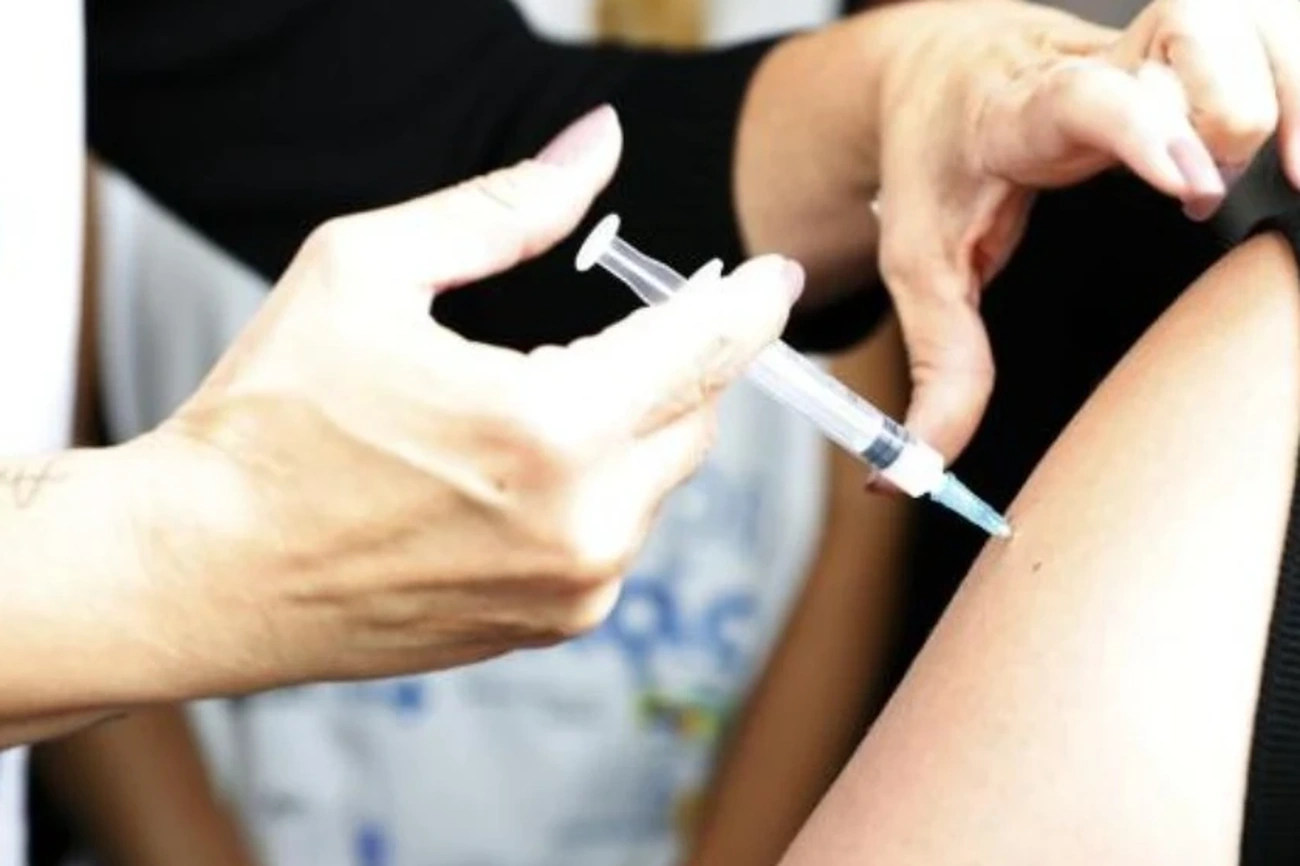
Malaria Diagnosis Confirms Negative Ebola Test Results in Rio Patient

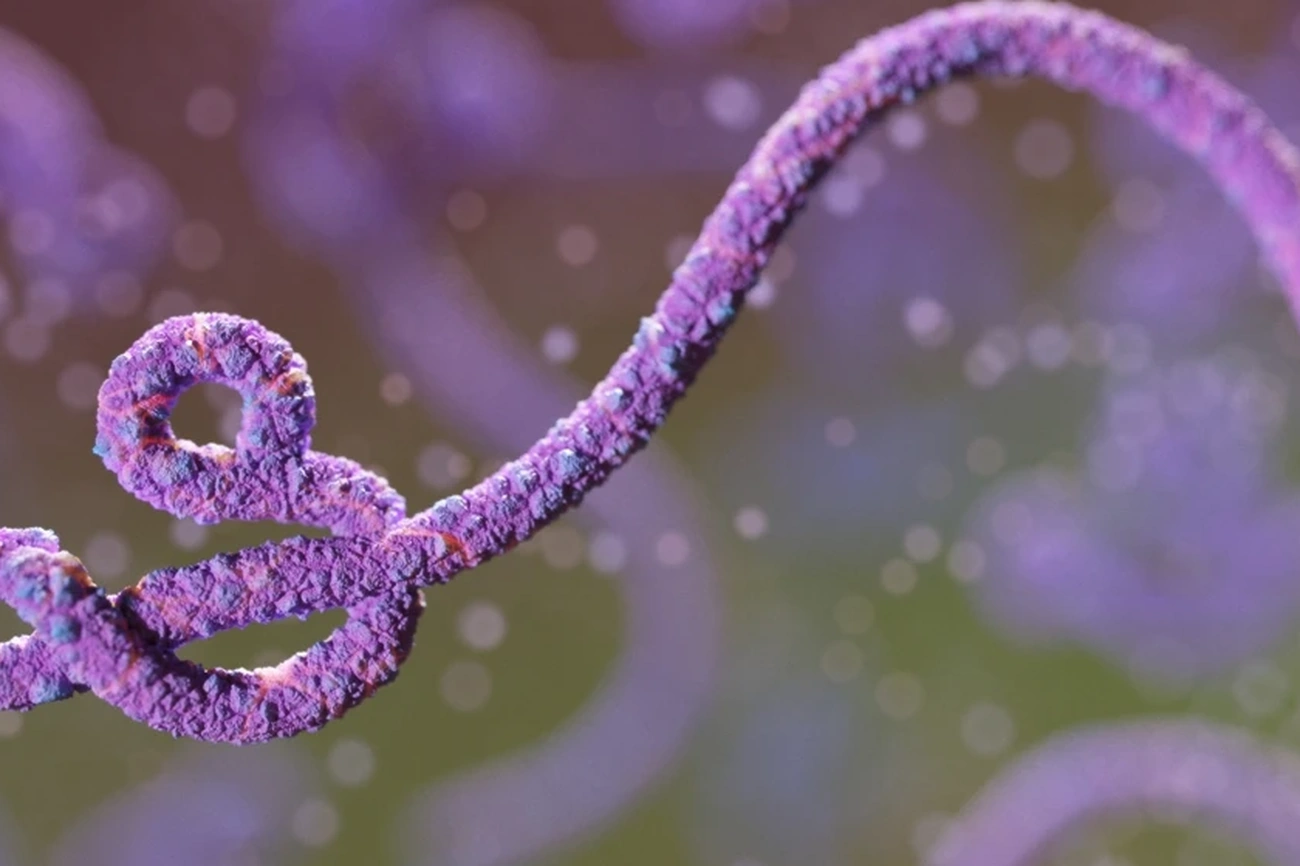
A patient who arrived in Rio de Janeiro from Uganda, in Africa, with symptoms of cough, chills and diarrhea, had the suspicion of Ebola dismissed after new tests performed by the National Institute of Infectology Evandro Chagas (INI/Fiocruz)
Patient cleared of Ebola suspicion as diagnosis positive for malaria
The man, who had a positive diagnosis for malaria, was isolated pending the results, which finally arrived, indicating that the saliva, urine and blood samples had a negative result for the virus that causes Ebola. With this, the patient can leave the INI/Fiocruz biosafety protocol, which stipulates isolation. Uganda is one of the countries with confirmed Ebola cases, along with the Democratic Republic of the Congo, which led to the application of the suspected cases protocol as soon as the patient arrived in Brazil.
Fiocruz reiterated that the risk of transmission of the virus in Brazil is considered low and that it continues prepared to provide a quick response to any suspected cases of the disease, with medical care and laboratory diagnosis.
Mechanisms of health vigilance are always alert to possible threats and, in the case of Ebola, it is fundamental to have a well-established biosafety protocol
This includes the use of individual protective equipment, such as masks and gloves, as well as ensuring that patients are isolated to prevent the transmission of the virus. **Malaria**, for example, is a disease that can present symptoms similar to Ebola, which can lead to further investigation. In these cases, the performance of laboratory tests is essential to determine the exact cause of the symptoms. **Fiocruz** plays an important role in this process, providing diagnostic and laboratory support for suspected cases. In addition, the institution works in close collaboration with other health agencies to ensure that prevention and control measures are implemented effectively.
Biosafety is a fundamental aspect in the prevention and control of diseases such as Ebola
This includes not only the isolation of patients, but also the adoption of rigorous hygiene and sterilization practices in health environments. **Health vigilance** also plays a crucial role, as it allows for the quick identification of possible suspect cases and taking measures to prevent the spread of the disease. In practical contexts, the perception of risk and adherence to prevention measures are essential for the safety of all. It is important to remember that, although the risk of Ebola transmission in Brazil is considered low, prevention and continuous preparation are fundamental to maintain public health in safety.
Test results and the discovery that the patient had malaria, and not Ebola, alleviated immediate concern, but also reinforced the importance of continuous vigilance and preparation for any eventuality
Collaboration between health agencies, implementation of biosafety protocols, and public education on prevention practices are key elements to maintaining public health in a state of readiness. With the dismissal of Ebola suspicion, the focus is now on treating the patient’s malaria and ensuring that he receives the necessary care for his recovery. The situation also highlights the importance of **medical care** and **precise laboratory diagnosis** in identifying and treating diseases, especially those with symptoms similar to more serious diseases.
Analise este conteúdo com IA