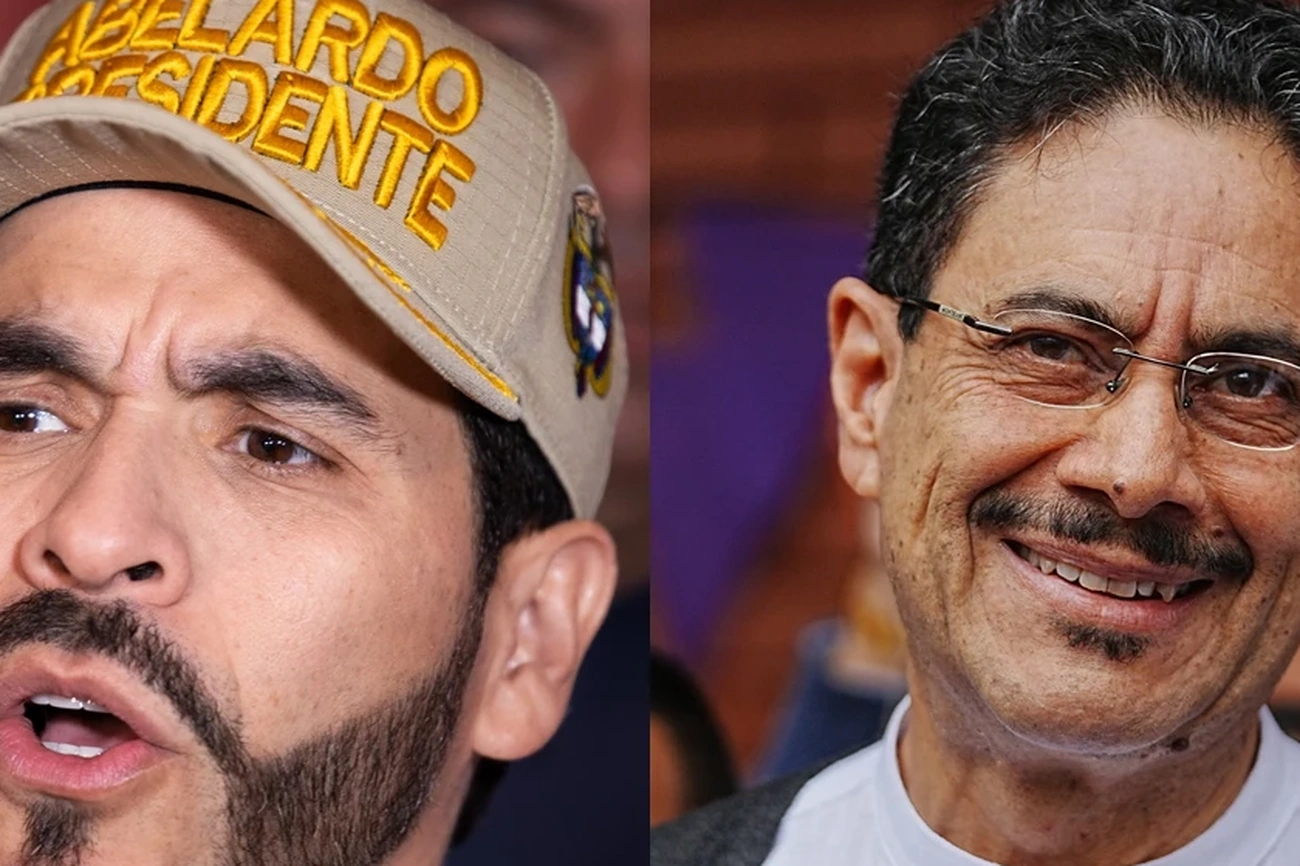
Reginaldo Lopes Name Tested for Minas Governor in PT Primaries


Federal deputy Reginaldo Lopes, author of the Constitutional Amendment Proposal (PEC) 6×1, which foresees the end of the 6×1 scale, authorized the Workers’ Party (PT) to include his name in voting intention surveys for the government of Minas Gerais. This occurs after the senator Rodrigo Pacheco (PSD) dropped out of the race for the Palácio da Liberdade, announced recently. The PT of Minas Gerais approved a resolution that authorizes the holding of primaries to define the party’s candidacy for the Minas Gerais government, paving the way for the evaluation of new names. In addition to Reginaldo Lopes, other names are considered, such as pre-candidate for the Senate Marília Campos and pre-candidate for the government Alexandre Kalil (PDT). Reginaldo Lopes is known for his work as rapporteur of the PEC da Reforma Tributária and for his proposal on the workday, approved by the Chamber of Deputies with 472 favorable votes.
Context and Implications
The institutional context in which this decision is inserted is complex, involving both the internal dynamics of the PT and the electoral alliances and choices in Minas Gerais. The PEC 6×1 is one of the legislative proposals that has generated debate and expectation, especially among workers who may be directly affected by changes in the workday. Reginaldo Lopes’ performance in this process, as well as his willingness to be evaluated in voting intention surveys, signals a possible willingness of the party to invest in a figure with recognition for his legislative proposals. Already Marília Campos, who was initially considered for the state government dispute, seems to have found an internal consensus to move forward with a candidacy for the Senate, which indicates a strategy of distributing forces and alliances within the party.
The decision to include Reginaldo Lopes in voting intention surveys may have practical consequences significant, both for the PT and for the electoral race in Minas Gerais. It may reflect a search for a candidacy that has legitimacy with the party base and that can attract votes based on concrete proposals, such as the tax reform and the change in the workday. However, the choice of candidate also depends on factors such as the ability to form alliances and obtain support from other parties and political leaders. The pre-candidacy of Alexandre Kalil, for example, may represent an option that seeks to aggregate forces beyond the PT, which may be fundamental in a competitive electoral race.
The electoral dynamics in Minas Gerais promises to be intense, with several names and proposals in dispute. The choice of the PT candidate may influence not only the outcome of the election but also the party’s positioning in relation to other political forces and society in general. While the party seeks its path, the Mineiro population awaits with expectation the definitions that will be made and how they will affect the political future of the state.
Analise este conteúdo com IA