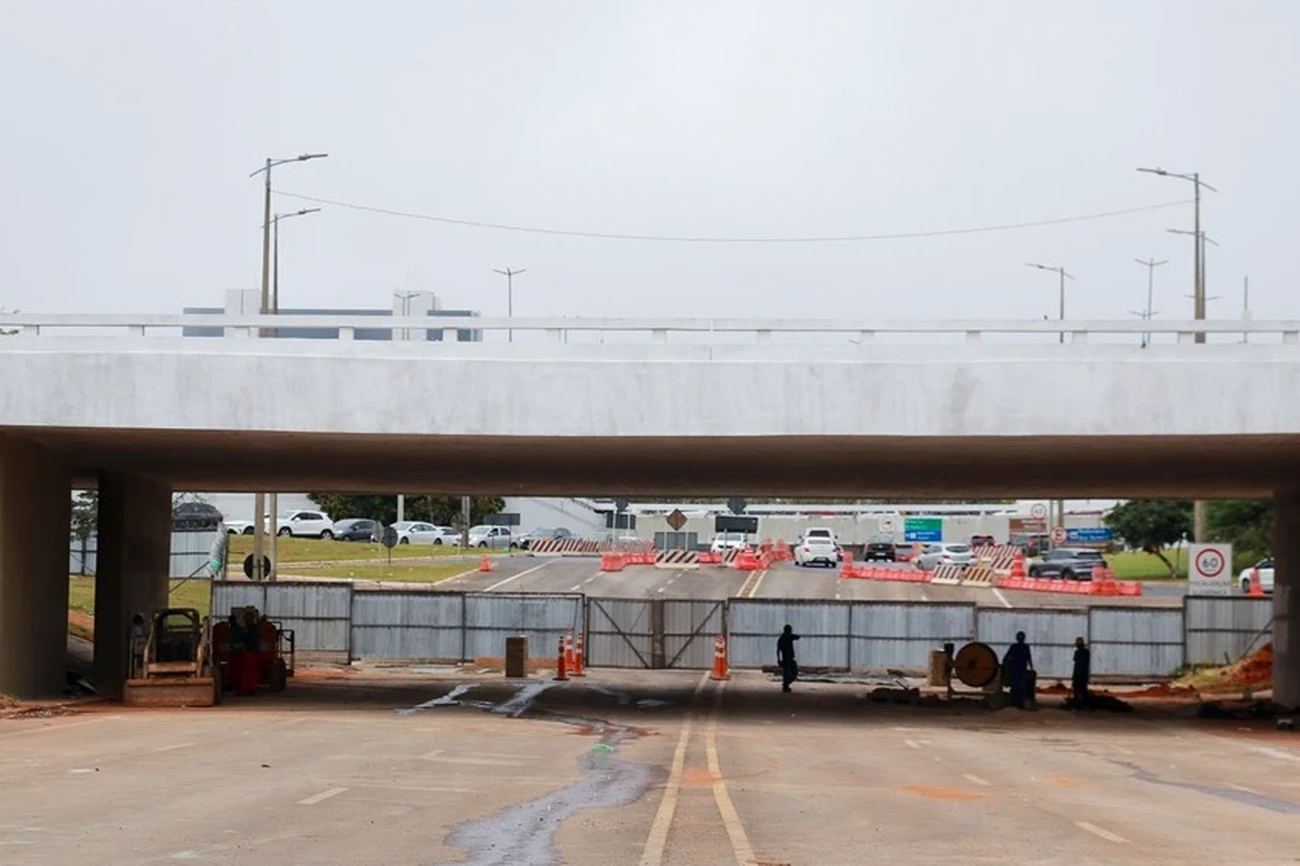
Amazon Highway Threatens Forest Now

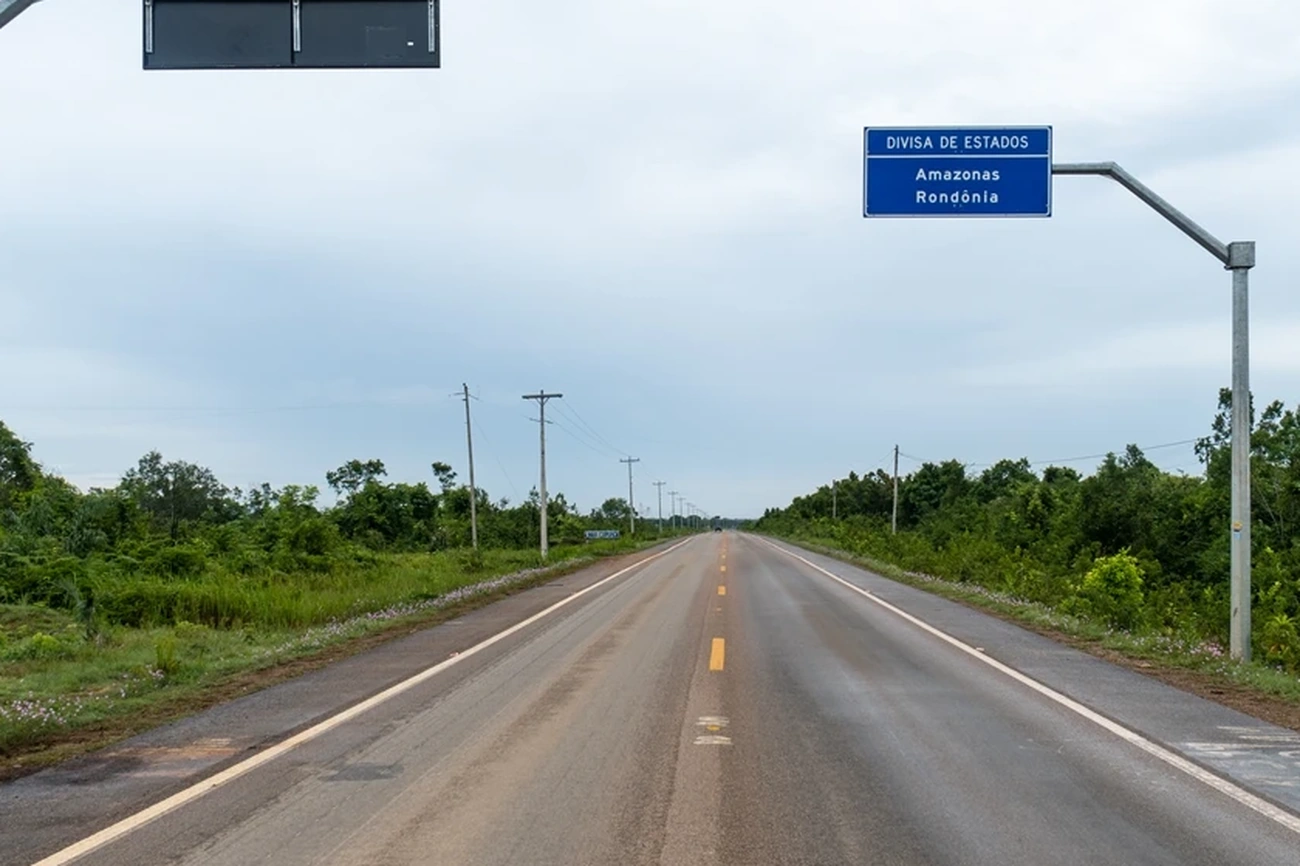
The opening of borders in isolated areas can awaken viruses and bacteria that, until then, were contained in ecosystems of delicate balance. The Amazon is a gigantic reservoir of biodiversity and, consequently, of pathogens. It is estimated that there are thousands of unknown viruses in circulation among the wildlife, which can pose a greater danger than the ancestral microorganisms, known as “zombie viruses”, which can be released by the melting of permafrost. The BR-319 cuts through areas of great biodiversity and passes through 69 Indigenous Lands, where 18 peoples live, including some in voluntary isolation.
The lifting of the preliminary injunction that suspended the DNIT’s notices was carried out by the TRF-1 on April 28, and DNIT informed that it will relaunch the notices “on a date to be defined”. This paving process began in 1974, but was interrupted due to lack of money and unfavorable weather conditions. Now, the Brazilian government is determined to complete the project, but this can have serious consequences for the health and safety of the population, especially in indigenous areas. The fragility of the healthcare system and the lack of resources to deal with health crises can make the scenario even more vulnerable.
The impact of paving the BR-319 can be extremely serious, especially for the indigenous communities that live in relative isolation. The introduction of common infectious diseases, such as flu and measles, can have devastating effects on these groups. Furthermore, the opening of borders in isolated areas can increase the likelihood of viral spillover, which can have consequences for global health. The situation is more worrying considering that the Amazon is one of the main biodiversity reservoirs on the planet. The choice to prioritize the paving of the BR-319 over the protection of the forest and indigenous peoples is a long-term project that can have disastrous consequences for Brazil’s climate and health security.
Analise este conteúdo com IA