
Brazil USP Professors Launch Historic Strike for 7 Percent Pay Hike Today

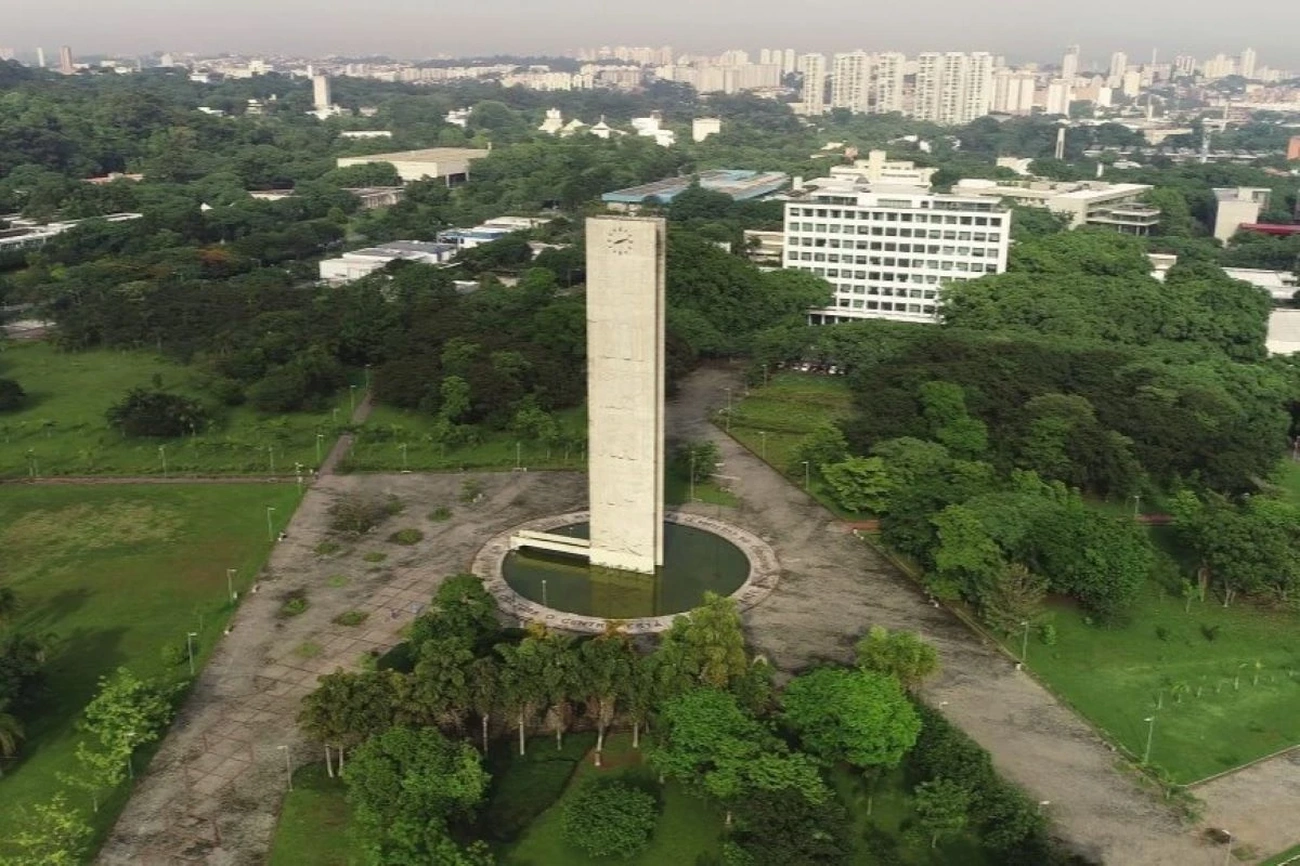
Professors from the University of São Paulo (USP) have decided to join the strike in assemblies held on the campuses of Butantã, São Carlos, Pirassununga, Ribeirão Preto, and Piracicaba. The strike occurs amid the students’ strike, which has already lasted five weeks, and has as its main reason the salary campaign of the state universities of São Paulo. The teachers are demanding a salary adjustment above what was proposed by the Council of Rectors of the State Universities of São Paulo (Cruesp), which is 3.47%, based on inflation measured by the Foundation Institute of Economic Research (Fipe). The decision of the professors was approved by the Association of Teachers of the University of São Paulo (Adusp), but still depends on isolated votes in each institute of the university.
The teachers’ strike also seeks to advance proposals presented by the students, such as the increase in the value of the Program for Assistance to the Physical Education Professional (PAPFE) and the reorganization of the academic semester in the face of the impacts of the strike. In addition, educators criticize the lack of dialogue from the rectorship with the students’ demands and demand the investigation of responsibilities for the action of the Military Police during the occupation of the USP rectorship. The category seeks a salary adjustment corresponding to the annual inflation measured by the Broad Consumer Price Index (IPCA), plus 3%, as part of the process of recovering the historical losses accumulated by the workers of the state universities of São Paulo.
The students of USP demand better conditions for the development of their academic activities, which necessarily involves improving the working conditions of teachers and other employees. The adherence to the strike by the teachers occurs after five weeks of student strike, which seeks to pressure the university administration to meet their demands. The expectation is that negotiations between Cruesp, the USP rectorship, and the representatives of teachers and students can advance and find a solution to the crisis installed in the university.
The strike of USP professors reflects a broader movement in the educational sector, which seeks to value the career of teachers and improve working and study conditions in the state universities of São Paulo. The Cruesp and the USP rectorship will now have to negotiate with teachers and students to find a solution to the crisis. The Adusp reaffirmed its commitment to democratic dialogue and free political organization, in addition to defending the non-criminalization and punishment of mobilized students.
Analise este conteúdo com IA