
Lula Hosts Secret Dinner with Amazonas Leaders, Joesley Batista Invited Today

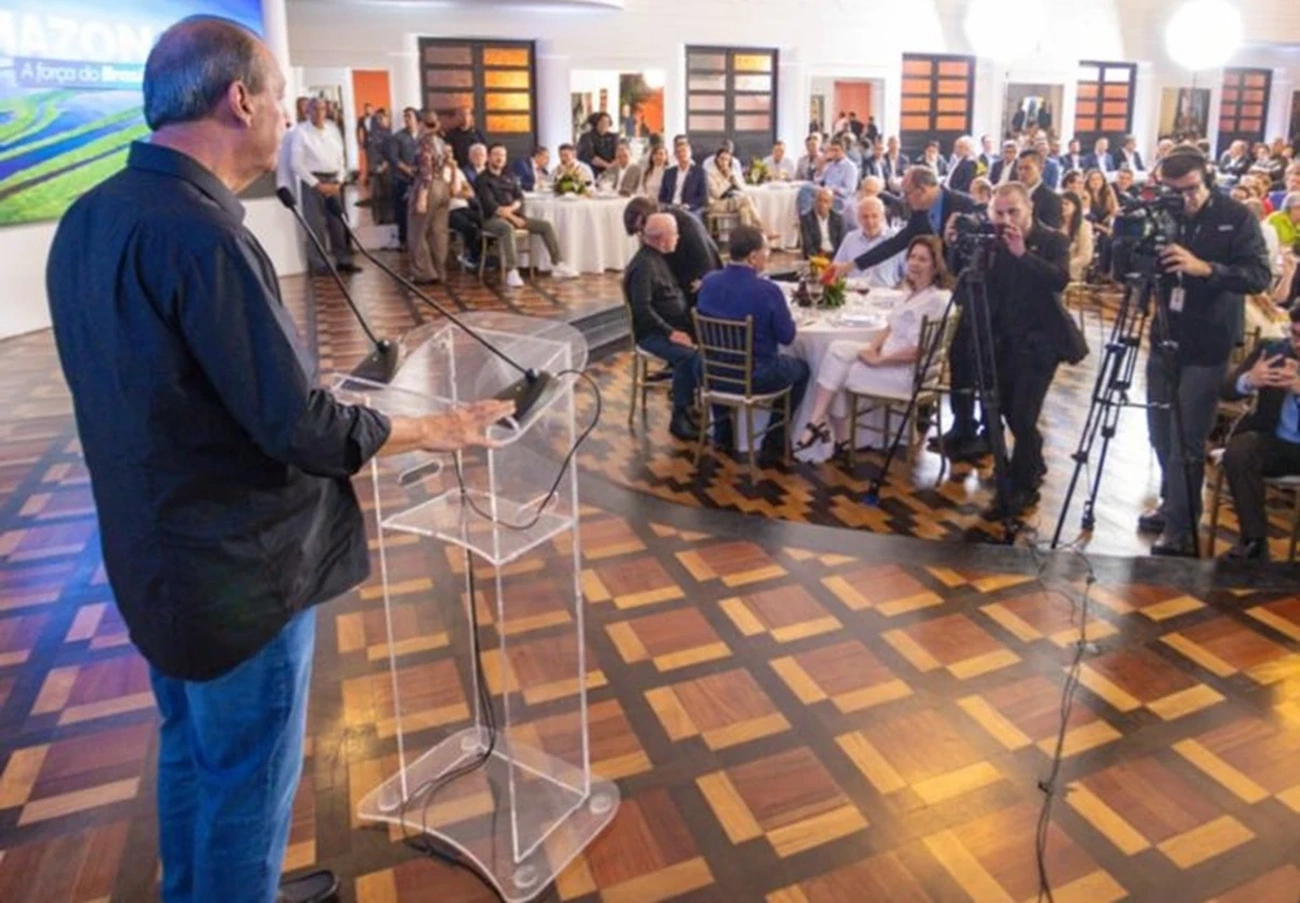
President Lula attended a reserved dinner with political leaders and entrepreneurs in Manaus, Amazonas, on Tuesday night. The meeting brought together around 400 guests, including former and current mayors, federal and state deputies, as well as representatives from the business sector. The presence of Joesley Batista, former president of JBS, was one of the most notable. During the event, cell phones were confiscated at the beginning, and the dinner included the presence of Âmbar Energia executives. Senator Omar Aziz, an ally of the Planalto Palace in the state, organized the dinner and spoke at the opening of the event, followed by Lula’s speech. Lula’s visit to the state includes the delivery of works, announcements of investments for BR-319, and political articulations around the composition of the state slate for this year’s elections.
Details of the Dinner
The dinner took place at the Rio Negro Clube, one of the most traditional in Manaus, and lasted a little over three hours. The menu served included typical Amazonian fish, with the roasted tambaqui being the highlight of the night at Lula’s request. The soundtrack was provided by singer and toada lifter David Assayag, known for his trajectory in the Parintins Festival, who entertained the guests with a repertoire linked to Amazonian culture. The realization of this meeting reflects the importance of political and economic relations in the state of Amazonas, especially considering the influence of leaders such as Senator Omar Aziz and the presence of **entrepreneurs** like Joesley Batista. The discussion on investments in infrastructure, such as BR-319, is also crucial for regional development.
Lula’s visit to Amazonas is part of an agenda that seeks to strengthen political and economic ties, especially in a strategic region like the Amazon. The presence of **political leaders** and **business leaders** in events like this dinner demonstrates the complexity of the relationships between the public power and the private sector. The confiscation of cell phones may indicate a concern with **privacy** and **security** of the discussions held during the event. The holding of such meetings in traditional places, such as the Rio Negro Clube, can also be seen as a way to connect the political and economic elites with the **local culture**.
The political articulation around the composition of the state slate for this year’s elections is an important aspect of Lula’s visit to Amazonas. The presence of **senators** and other political leaders in the meetings can influence decisions on the slates and future investments in the state. The combination of political, economic, and cultural discussions in events like the dinner held in Manaus reflects the multifaceted nature of political and economic relations in Brazil, especially in strategic regions like the Amazon.
Analise este conteúdo com IA