Papuda Prison Inmate Dies After Sudden Illness in Cell Today

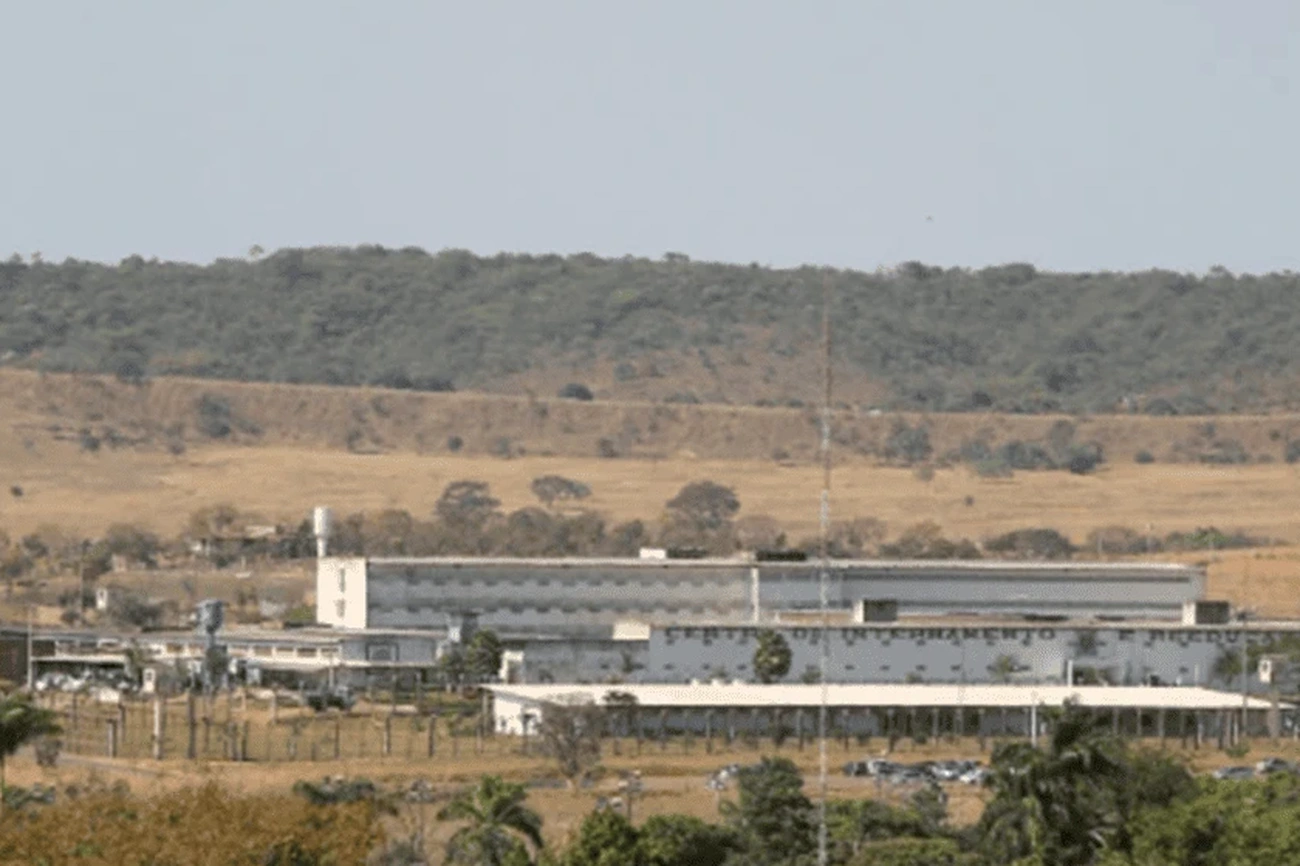
A 41-year-old inmate died on the afternoon of this Wednesday (27/5) after becoming ill inside his cell at the Internment and Rehabilitation Center of the Maximum Security Pavilion of the Federal District, Papuda. He was found unconscious with vital signs still present and was subsequently taken to the health teams of the penal unit, which performed the first interventions while waiting for the arrival of the Mobile Emergency Care Service (Samu) ambulance. Unfortunately, shortly after the arrival of the ambulance, the inmate’s clinical condition evolved into a cardiorespiratory arrest, no longer responding to life support maneuvers. In the end, the death was declared around 15:20, and a police report was filed.
The tragedy draws attention to the care that must be taken when facing health-related situations. It is essential to remember that a cardiac arrest is a condition in which the heart stops beating properly, preventing blood circulation and, consequently, cell oxygenation. In cases of respiratory arrest, the liver stops processing oxygen from the blood, which can lead to irreversible damage. It is crucial to keep first aid teams and health professionals well-trained and equipped to deal with emergency situations. Additionally, it is vital that everyone is aware of how to perform life support maneuvers and cardiopulmonary resuscitation techniques effectively.
The tragedy in Papuda is a reminder for security and public health agencies to strengthen prevention and intervention policies in cases of automated external defibrillator (AED) and ensure that prison units and health services have adequate equipment and infrastructure to deal with emergency situations. Moreover, it is essential that inmates have regular access to preventive medical care and treatment, including periodic health exams, vaccination, and medications as needed.
Analise este conteúdo com IA