
PCDF probes scam in dead dogs disposal today

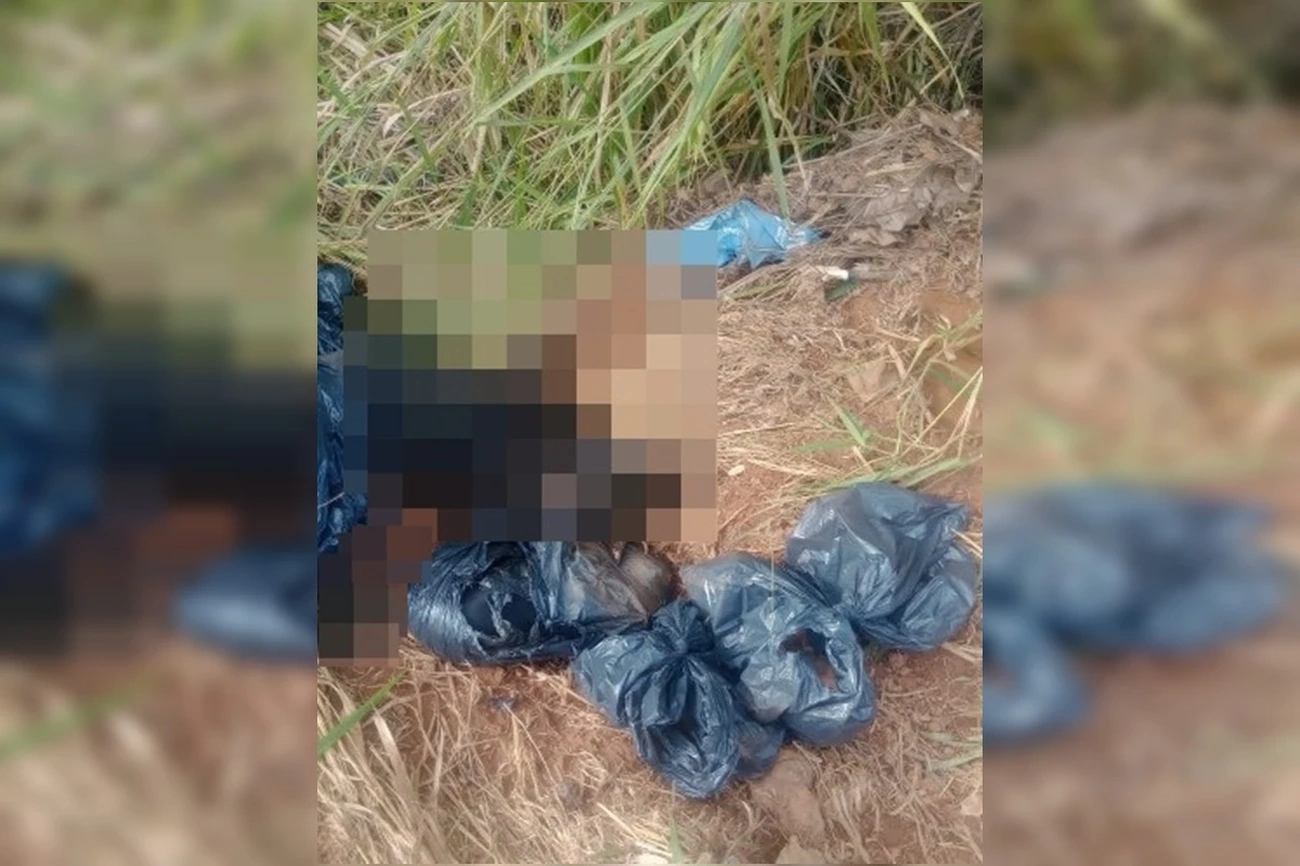
The Civil Police of the Federal District (PCDF) is investigating a possible case of scam related to the irregular disposal of six dead dogs in a forest area in Novo Gama, Goiás. The investigation began after the tutor of one of the animals recognized her pet in a complaint made by the owner of a local veterinary clinic in Gama, DF. The clinic had hired a third-party company to perform the cremation and disposal of the bodies, but it appears that what was paid by the tutors was not done.
The Cybercrime Special Delegation (DRCC) of the PCDF is investigating the possible practice of scam, as the tutors had paid for a service of dignified destination of the bodies, such as cremation, which allegedly was not performed. The Goiás Civil Police (PCGO) is also investigating the case, through the Novo Gama Delegation, to investigate the circumstances of the irregular disposal of the animals. Delegate Wanessa Mariano reported that the owner of the veterinary clinic sought the police to report that the bodies had been irregularly dumped in Novo Gama by a third-party company.
In addition to the bodies of the animals, a large amount of hospital-use personal protective equipment, including bloody surgical gloves, gauzes, and containers with biological material, was found. The irregular disposal of dead animals in public roads, vacant land or watercourses is considered an environmental crime, provided for in the Environmental Crimes Law (Law No. 9,605/98). The PCDF requests that anyone who recognizes any of the animals or has information about the possible responsible for the disposal contact the Novo Gama Police Station or enter into contact via WhatsApp with the station’s emergency contact number: (61) 9198-0844.
The investigation is still ongoing and the police is waiting for denunciations and information from the community to advance in the investigations. The case also raises questions about the responsibility of veterinary clinics and outsourced companies that deal with dead animal disposal, and the need for more effective regulation to prevent irregular practices.
Analise este conteúdo com IA