Pharmaceuticals in Rivers Fuel Superbug Surge Now

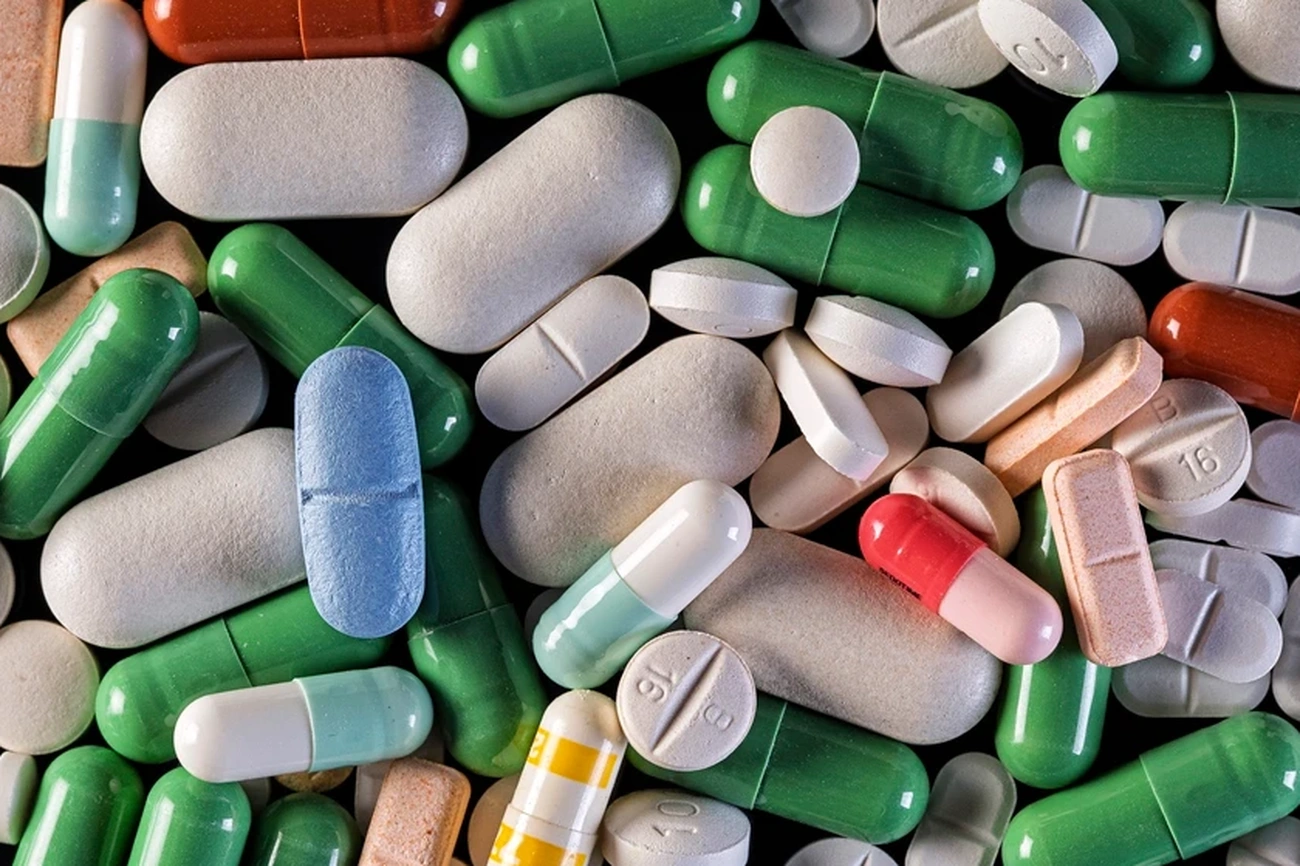
Antimicrobial resistance is one of the main global health challenges, according to the United Nations. This occurs when bacteria, viruses, fungi, and parasites evolve to resist medications. An example is the superbug MRSA (methicillin-resistant Staphylococcus aureus), against which many antibiotics no longer work. Antimicrobial resistance can cause 10 million deaths per year by 2050 and generate annual costs of $412 billion. The problem is related to the excessive or inadequate use of antibiotics and pollution by medications in the environment. Pharmaceutical residues have been detected in rivers and soils around the world, including antibiotics, medications for diabetes, depression, epilepsy, pain, and allergies.
A recent study analyzed river waters in over 1,000 locations in 104 countries and found that only Iceland and a remote village in the Venezuelan forest did not have traces of medications. In 25% of the locations, the levels were considered harmful to wildlife. When we take medications, only part of them is absorbed by the body, and the rest is eliminated and ends up in sewage systems. Furthermore, antibiotics are often used excessively, with humans consuming more than 30,000 tons per year, and about a third ends up in rivers. Many treatment plants are unable to completely remove these substances, and globally, just over half of wastewater is treated before being released. Medication pollution in the environment can occur when pharmaceutical residues are improperly disposed of and end up in rivers and soils.
Antimicrobial resistance is a complex problem that involves the action of bacteria, viruses, fungi, and parasites that become resistant to medications. This can occur due to excessive or inadequate use of antibiotics, which causes bacteria to adapt and develop resistance mechanisms. Medication pollution in the environment is also an important factor, as pharmaceutical residues can be improperly disposed of and end up in rivers and soils, where they can affect wildlife and human health. It is essential to be careful with the use of antibiotics and ensure that pharmaceutical residues are disposed of safely. Additionally, it is fundamental to invest in wastewater treatment to prevent the release of harmful substances into the environment.
In many countries, the lack of infrastructure to treat wastewater is a serious problem. Wastewater treatment plants need to be equipped with adequate technology to remove pharmaceutical residues and other pollutants. Furthermore, it is essential that people have access to information about the correct use of antibiotics and the importance of protecting the environment. Awareness of antimicrobial resistance and medication pollution is fundamental to preventing the spread of these problems and ensuring human and environmental health.
Analise este conteúdo com IA