
Understand Gastritis, Ulcer & Reflux: Key Differences for Relief Now

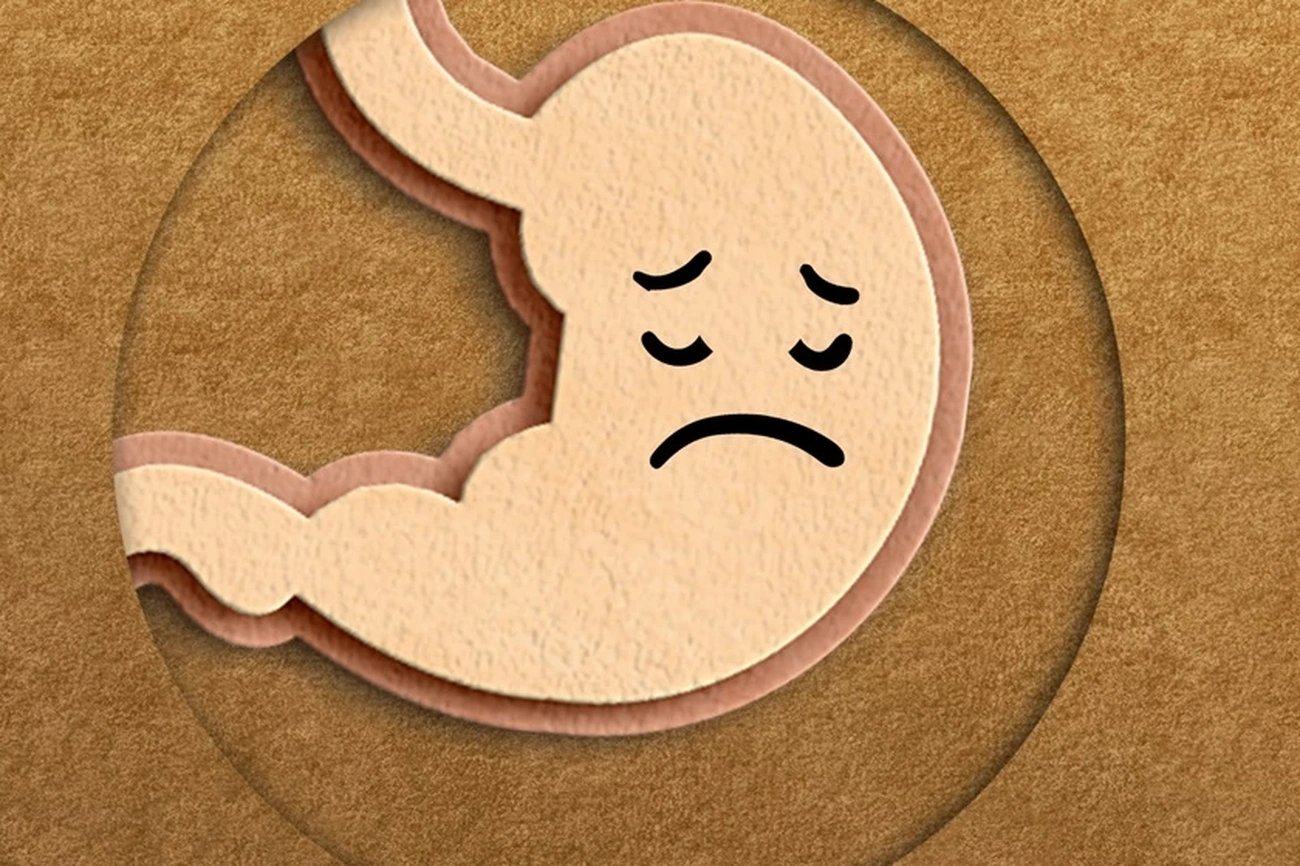
Pain in the “mouth of the stomach”, a burning sensation, heartburn, and discomfort after meals are common symptoms that can raise doubts about their origin. After all, is it gastritis, reflux, or ulcer? Although the symptoms can be similar, these conditions have distinct causes and characteristics. Ignoring the body’s signs can worsen the discomfort over time, but understanding the differences helps to alleviate symptoms and seek medical help at the right time.
The gastritis is an inflammation of the stomach mucosa that can be caused by infections, use of anti-inflammatory medications, excessive consumption of alcohol or acidic foods. It can be acute or chronic and causes abdominal pain, nausea, vomiting, and a burning sensation. On the other hand, gastroesophageal reflux occurs when the stomach contents return to the esophagus, causing heartburn, chest pain, and difficulty swallowing. The ulcer is a lesion in the stomach or duodenal mucosa, which can be caused by infections, use of anti-inflammatory medications, or excess stomach acid. It causes abdominal pain, nausea, vomiting, and gastrointestinal bleeding.
To deal with these conditions, it is essential to adopt precautions such as avoiding acidic, fatty, or spicy foods, which can irritate the stomach mucosa. In addition, it is recommended to eat in small quantities and chew food well. The use of anti-inflammatory and acid-reducing medications should be done with caution and under medical guidance. In cases of reflux, elevating the head of the bed and avoiding lying down after meals can help alleviate symptoms. In all cases, it is crucial to seek medical help for an accurate diagnosis and appropriate treatment.
It is vital to pay attention to the body’s signs and not ignore the symptoms, as early diagnosis and treatment can prevent more severe complications. Additionally, maintaining a healthy lifestyle, with a balanced diet and avoiding excessive consumption of alcohol and tobacco, can help prevent these conditions. With a little knowledge and care, it is possible to alleviate symptoms and improve the quality of life.
Analise este conteúdo com IA