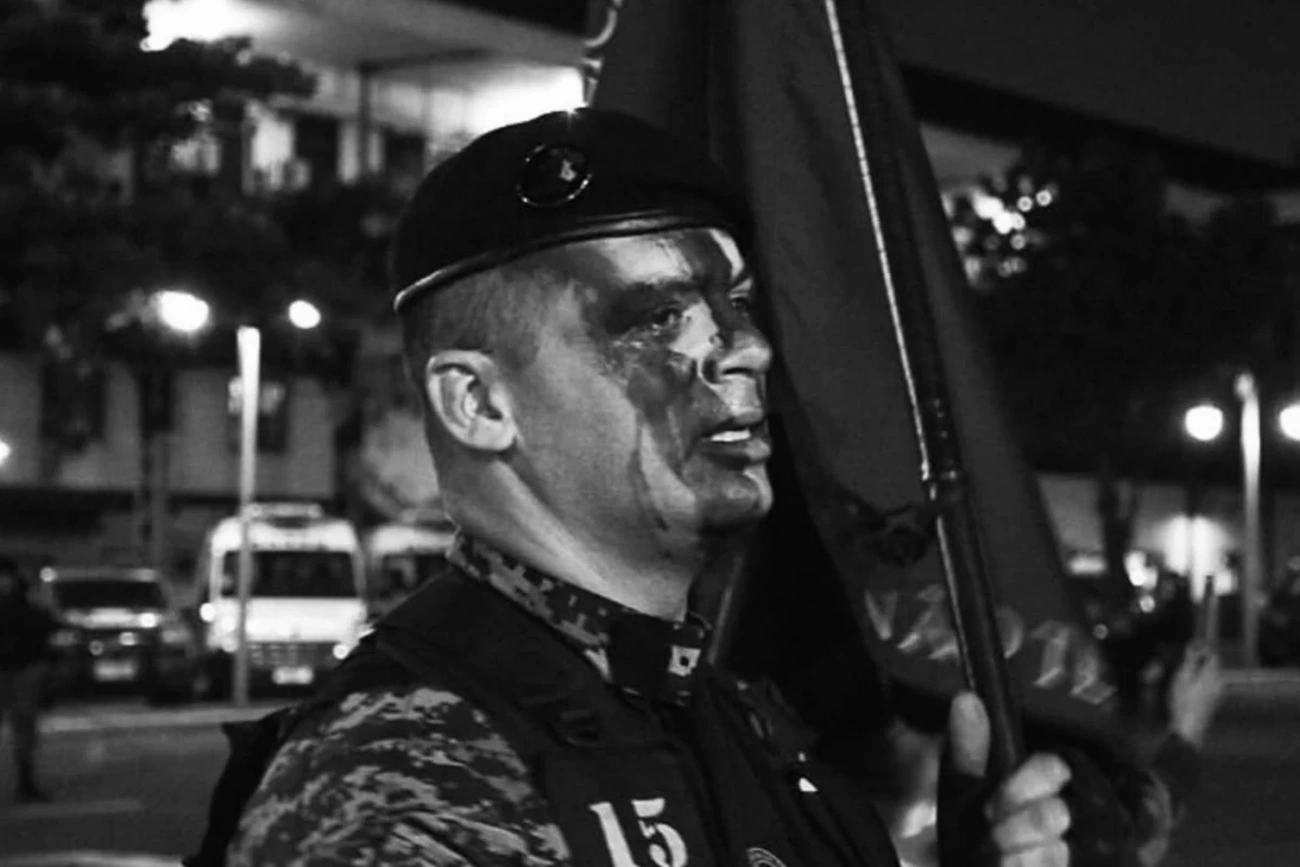
US Targets Latin America Crime Now With New Terror List

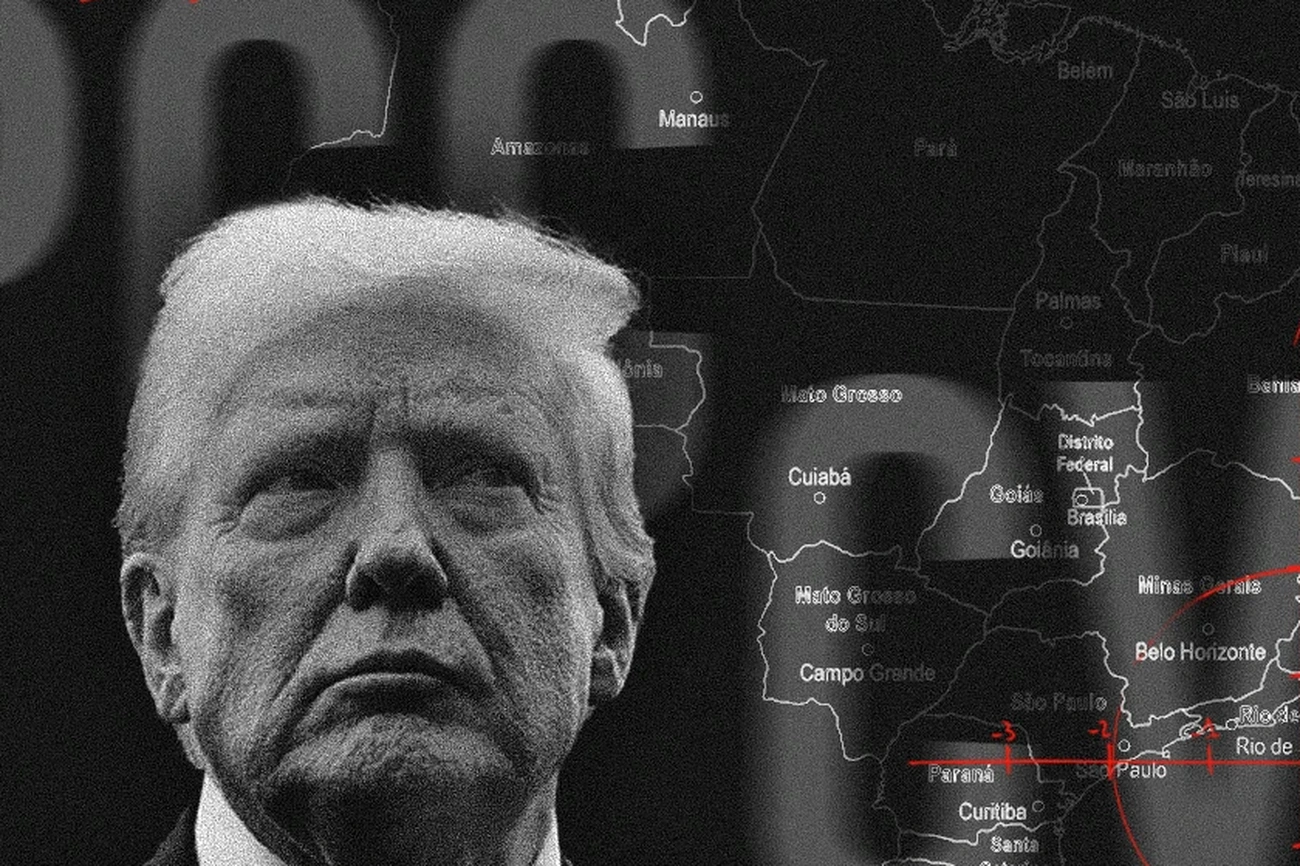
US Government Includes Brazil’s Largest Crime Syndicates on Foreign Terrorist Organization List
The US government has announced the inclusion of Brazil’s two largest crime syndicates, the Primeiro Comando da Capital (PCC) and the Comando Vermelho (CV), on the list of Foreign Terrorist Organizations (FTOs), considering them to be criminal and transnational violent organizations. With this, the Brazilian factions will be placed in the same category as Mexican cartels and international armed groups, starting from June 5. The measure aims to expand the legal scope of US sanctions and bring Brazilian factions closer to the same framework applied to entities sanctioned by the Office of Foreign Assets Control (OFAC). Assets eventually linked to the organizations under US jurisdiction may be blocked, and citizens, companies, and financial institutions will be prohibited from conducting transactions with members or operators connected to the groups.
The inclusion of the Brazilian factions on the FTO list occurs in the context of changes in US security policy. The US government’s announcement rewrites the relationship between the United States and Latin America and reinforces the importance of the region in Washington’s geostrategic strategy. According to sources from the State Department, the criminal networks “extend well beyond Brazil’s borders” and directly affect US national security interests. The measure aims to protect the US nation and its national security interests, keeping illicit drugs off the streets and disrupting the flow of revenue that finances violent narco-terrorists.
The classification of the Brazilian factions as foreign terrorist organizations is a political decision that reinforces the importance of the relationship between the US and Latin America. Since the beginning of the 2010 decade, the fight against drug trafficking and organized crime has become a priority in US foreign policy. The inclusion of the Brazilian factions on the FTO list is a signal that the region will be one of the main areas of operation of US security policy in the coming years. In addition, the measure may have implications for Brazil’s internal policy, as it may be used as an argument to justify the implementation of tougher measures against organized crime in the country.
The inclusion of the Brazilian factions on the FTO list may also have implications for the commercial relationship between the US and Brazil. The measure may raise trade barriers and restrict the release of credits for Brazilian companies that have ties with the crime syndicates. In addition, the measure may affect the release of credits and financing for aircraft and ships related to the trafficking of drugs and organized crime.
Analise este conteúdo com IA