Woman Suffers Horrific Medical Error in Shocking Blunder at Veterinary Clinic

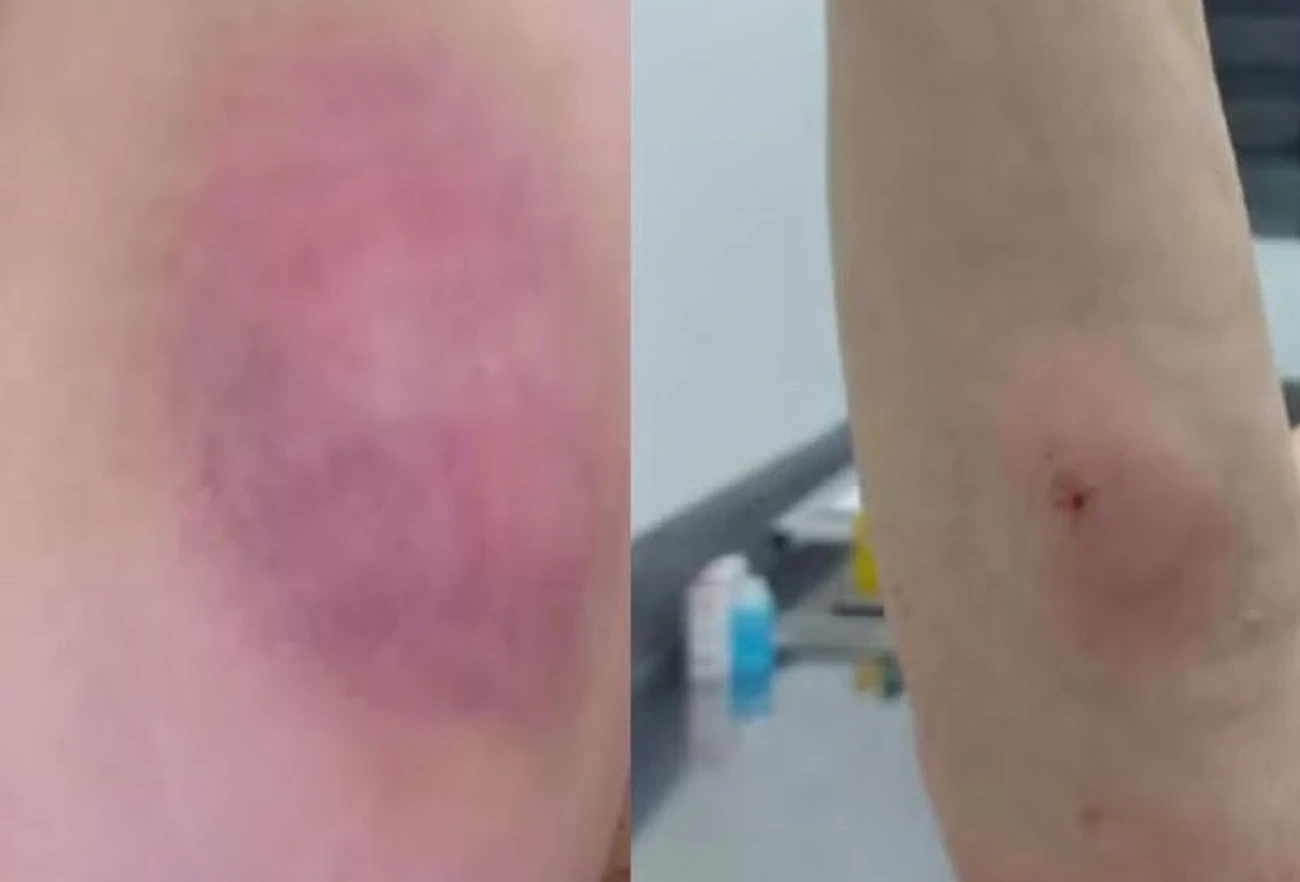
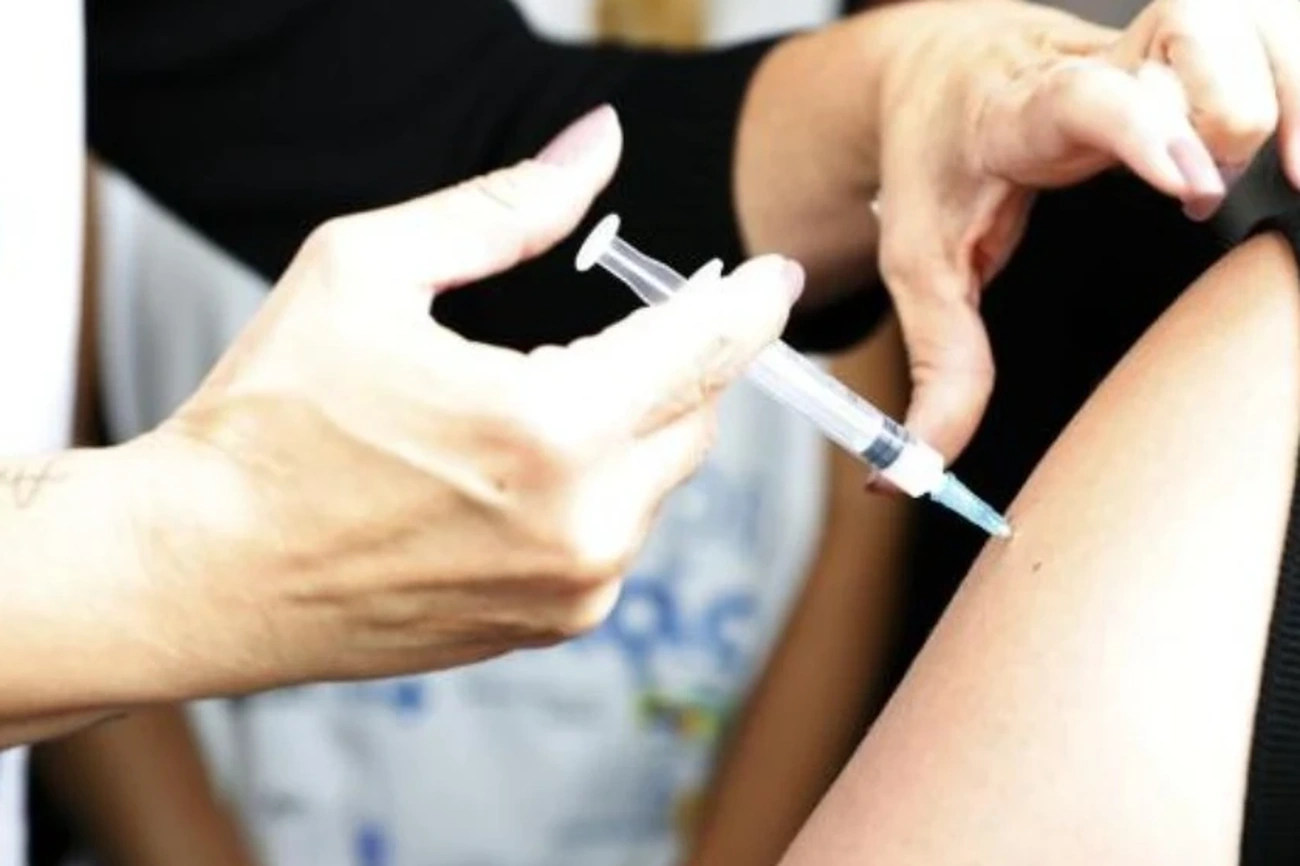
A medical error that occurred at a veterinary clinic in Vinhedo, in the interior of São Paulo, raised important questions about safety and care in veterinary procedures. In January 2024, a woman took her dog to a medical appointment after the dog showed pain in one of its front paws. The veterinarian, after a clinical examination, did not identify any apparent fracture or injury, but indicated the application of corticosteroids and antibiotics due to the possibility of the dog having been bitten by an insect. However, instead of applying the injection to the dog, the veterinarian ended up making a mistake and applied the injection to the owner’s arm, who was holding the animal in her lap. The owner then sought medical attention at a local Santa Casa and later at a hospital in São Paulo, due to symptoms such as edema, heat, swelling, and intense pain at the injection site.
It is essential that health professionals, including veterinarians, follow rigorous safety protocols to avoid errors like this. The sterilization of equipment and the clear identification of patients are essential measures to minimize the risk of errors. Additionally, effective communication among the team and close supervision during procedures are crucial to ensure the safety of all those involved. In the event of errors, transparency and adequate and immediate care are paramount to mitigate damage. The veterinary clinic responsible for the care reported that the case was isolated and that follow-up and assistance measures were taken from the beginning.
The occurrence of this error highlights the importance of health professionals being aware of their own limitations and the need for constant updating and training. The quality of care and patient safety should always be the priority. It is essential that clinics and hospitals maintain a work environment that promotes safety and well-being for patients and employees. The woman involved in the case filed a lawsuit seeking compensation for moral and material damages.
This incident serves as a reminder of the need for vigilance and care in all health procedures. The adoption of preventive measures and a culture of safety can help avoid similar errors in the future. Awareness of the importance of patient safety and the implementation of effective safety practices are important steps to ensure that health care is provided with maximum safety and efficacy.
Analise este conteúdo com IA