Nikolas Ferreira Backs 42-Hour Workweek Reform in Brazil Now


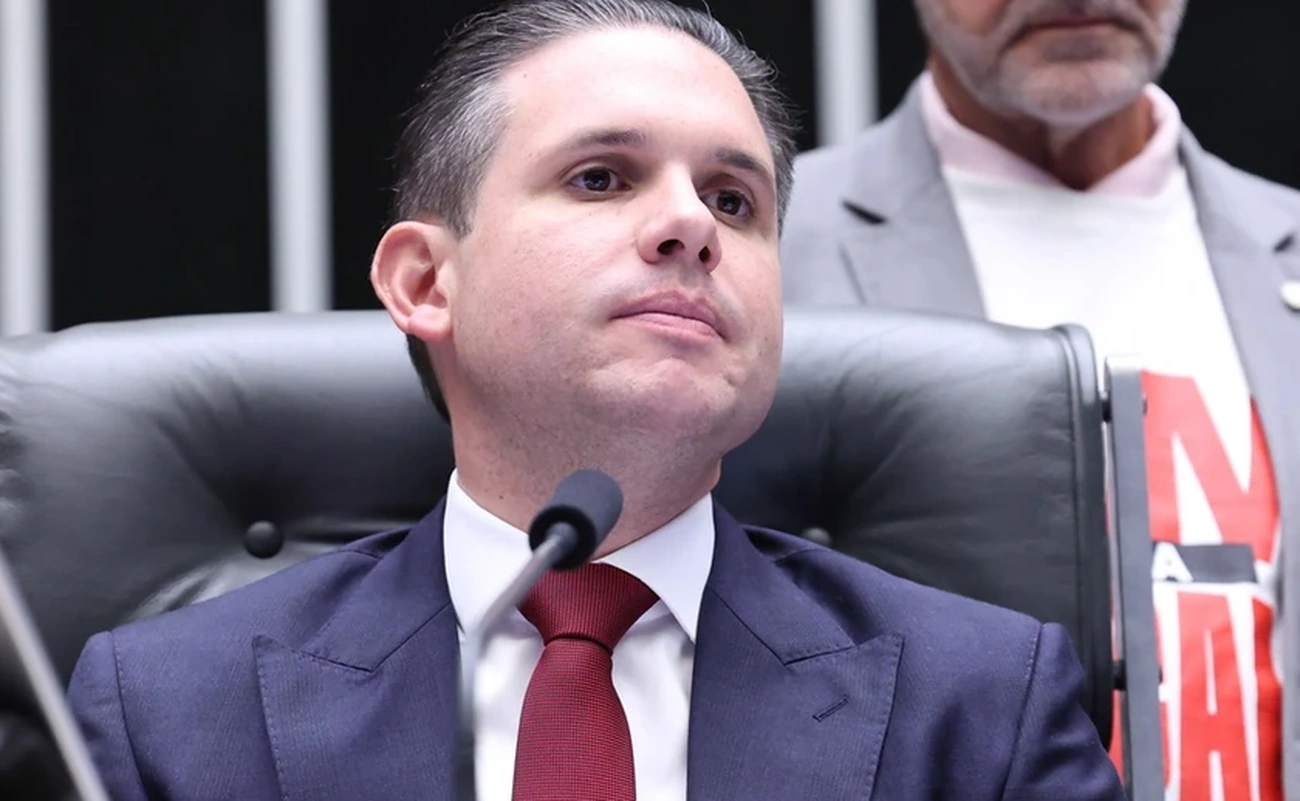
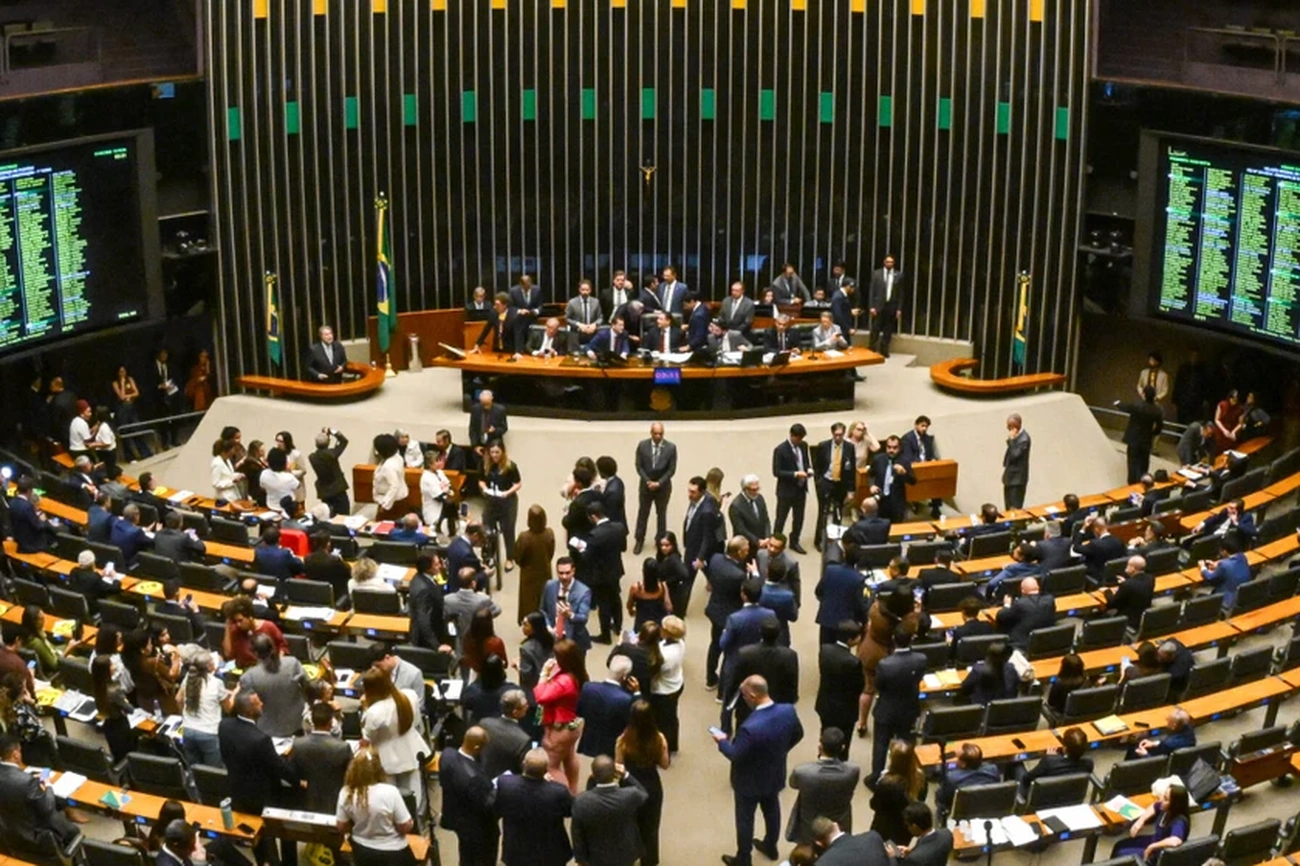
A Chamber of Deputies voted in two rounds for the Proposal of Constitutional Amendment (PEC) to end the 6×1 work scale, which allows workers to work for 6 consecutive days and have 1 day off. With 472 votes in favor and 22 against in the first round, and 461 votes in favor and 19 against in the second round, the PEC now goes to the Senate. Federal Deputy Nikolas Ferreira (PL-MG) voted in favor of reducing the workday to 42 hours a week in both rounds. The PEC determines that the 44-hour weekly workday be reduced to 42 hours 60 days after promulgation, and in 14 months, the load should be reduced to 40 hours a week.
The approval of the PEC reflects a broader discussion on working conditions in Brazil and the search for a more healthy and balanced workday. The 6×1 scale is common in various professional categories and has been the subject of criticism from workers and unions, who argue that it can lead to physical and mental exhaustion. However, some economic sectors and parliamentarians have expressed concerns about the impact on productivity and costs for companies. Nikolas Ferreira’s position, which, despite voting in favor of the PEC, criticized the populist debate around the subject, illustrates the complexity of the debate.
The PEC to end the 6×1 scale is part of a broader effort to update labor legislation in Brazil and promote changes that benefit both workers and employers. The reduction of the workday to 42 hours a week and, subsequently, to 40 hours a week is seen as a measure that can improve the quality of life of workers and increase productivity in the long term. However, the challenges of implementation and potential economic impacts still need to be carefully assessed.
The Chamber of Deputies has done its part by approving the PEC, which now goes to the Senate, where it will face new evaluation and voting. The PEC’s processing reflects the democratic process of discussion and decision-making on issues that affect workers’ lives and the country’s economy. The implementation of the proposed changes will require a continuous dialogue between workers, employers, and the government to ensure that the objectives are met in a balanced and fair way.
Analise este conteúdo com IA